
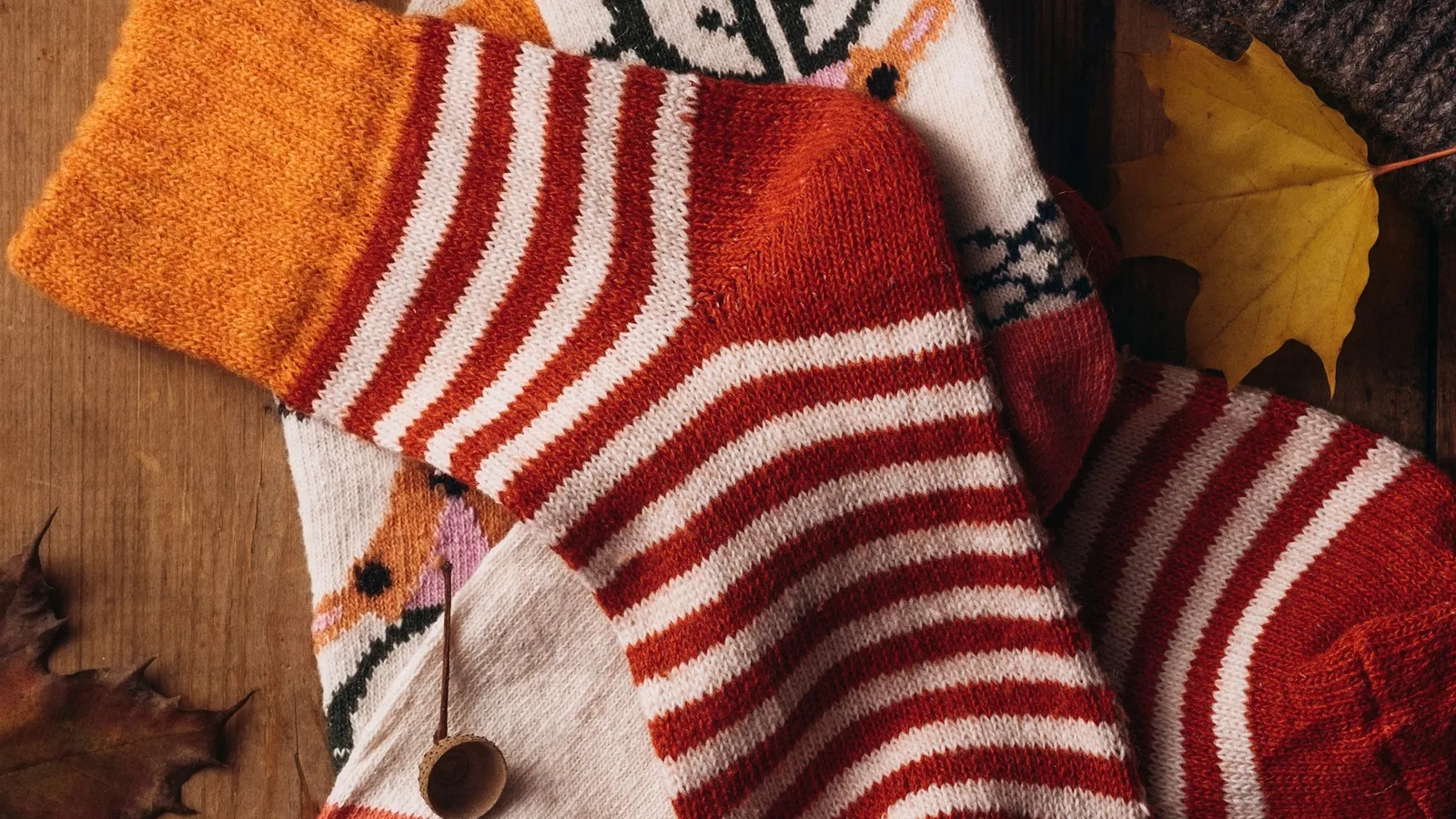
Plan sock length, yarn, knit structure, sizing, heel, toe, cushioning, grip, branding, and wash checks for production at scale.
Socks are shaped knitted products, not small cut-and-sew tubes. Yarn, knit structure, gauge, sizing, heel and toe construction, cushioning, compression, and finishing work together around the foot. A strong product brief begins with footwear and use, then specifies where the sock should stretch, protect, breathe, grip, or remain thin.
Choose sock length in relation to footwear
No-show and liner socks sit below or near the shoe edge and need heel retention. Ankle and quarter lengths rise around the ankle. Crew socks reach the lower calf and cover many casual, uniform, and athletic uses. Mid-calf, boot, knee-high, and over-the-knee products add coverage and require more attention to stay-up performance.
Names vary by market, so record finished foot length, leg length, welt height, and circumference. Fit the sock with the intended shoe or boot. A no-show may work in a sneaker but appear in a lower-cut loafer; a thick boot sock may make existing footwear too tight.
| Category | Use | Priority zones | Watch point |
|---|---|---|---|
| Dress sock | Formal or office footwear | Fine hand, smooth toe, stable leg | Show-through and calf pressure |
| Everyday crew | Casual daily wear | Balanced cushion and durability | Heel and toe abrasion |
| Running sock | Repetitive athletic movement | Fit, ventilation, friction management | Seam position and bunching |
| Hiking or boot sock | Boots and longer wear | Cushion map, leg stability, moisture movement | Excess bulk inside footwear |
| Grip sock | Studio, indoor sport, or home | Sole print placement and stretch | Grip claim without appropriate testing |
| Fashion sock | Color, pattern, novelty | Artwork translation and yarn choice | Long floats and distorted graphics |
Select yarns by comfort and durability needs
Cotton-rich yarns provide a familiar hand but are commonly blended to improve stretch, shape, or abrasion behavior. Wool and fine wool blends can support warmth and moisture management, although care, sensitivity, and fiber labeling need attention. Polyester and nylon yarns can add strength, color clarity, or drying performance. Elastomeric yarns help the sock recover and stay positioned.
Fiber percentages alone do not describe the result. Yarn count, twist, staple length, filament type, bulk, and placement within the knit affect hand and performance. A soft body yarn may still need a stronger plating yarn at heel and toe. Recycled-content or special-finish claims should be supported by supplier documentation and apply to the named yarn.
Use knit structure to shape the product
Jersey structures create a smooth base. Rib adds stretch and visual texture, especially at the leg and welt. Mesh zones can reduce material and increase airflow. Terry loops on the inside create cushioning; they can cover the full foot or be mapped to heel, toe, and sole. Pique, cable, jacquard, and other structures add design or functional zoning.
Machine cylinder, needle count, gauge, yarn, and size range constrain artwork and detail. A graphic should be translated into a knit-ready grid rather than treated like a print. Large color areas and long yarn floats can affect stretch and comfort. Approve the inside as well as the face.
Define foot, heel, toe, and leg fit
Sock sizes often cover a range of shoe sizes because the knit stretches. The range must still be tested: too much stretch thins cushioning and distorts artwork, while too little creates excess fabric and bunching. Record relaxed foot length, leg length, width, welt circumference, and relevant extended measurements.
Heel constructions include reciprocated or shaped heels that create a pocket around the foot. Toe seams may sit on top, at the tip, or use linked or smoother methods. Seam position matters inside close footwear. Anatomical left and right socks require separate patterning and clear pairing marks.
Specify cushioning, hold, and grip carefully
Cushioning should be mapped. Full-foot terry feels different from targeted heel and forefoot zones and changes shoe volume. Arch bands and rib zones can add hold, but tension should be assessed across the size range. Medical or graduated compression is a distinct regulated product area; a fashion "support" band should not be presented as medical compression without the necessary design, validation, and compliance.
Grip elements can be printed or applied to the sole. Define artwork, material, coverage, thickness, stretch, and wash durability, and test on the intended surface. Avoid universal non-slip claims because performance depends on surface, contamination, wear, and user movement.
Plan branding and pair presentation
Branding can be knitted into the leg or foot, embroidered in suitable zones, or added through packaging. Knit-in logos must respect the machine grid and stretch. Dense embroidery can reduce comfort. Pairing may use a band, hook, hanger, box, or other retail format; avoid attachments that damage the knit.
Packaging should identify size, fiber, care, color, style, quantity, barcode, and required market information. Confirm whether pairs need left-right identification, color assortment, or carton dividers. The packaging trial should use the final sock thickness so it does not crush cushioning or appear underfilled.
Build a sock quality and development brief
Approve pre-production samples from the nominated machine and yarn rather than relying only on a development sample. Small changes in knitting tension, heat setting, boarding, or yarn lot can alter finished dimensions and hand. Pair samples should be compared for length, shape, artwork position, heel and toe alignment, welt tension, and color before packing standards are finalized.
- State use, footwear, length, size range, and target hand feel.
- Specify yarns, fiber percentages, colors, knit structures, and cushion map.
- Record heel, toe, welt, arch, logo, grip, and extended measurements.
- Wear-test slipping, bunching, pressure, seam comfort, and artwork distortion.
- Wash-test dimensions, recovery, color, pilling, grip, and pair matching.
Next, review custom sock manufacturing, the knitting capability, the production workflow, and quality checkpoints before sending a project brief.