
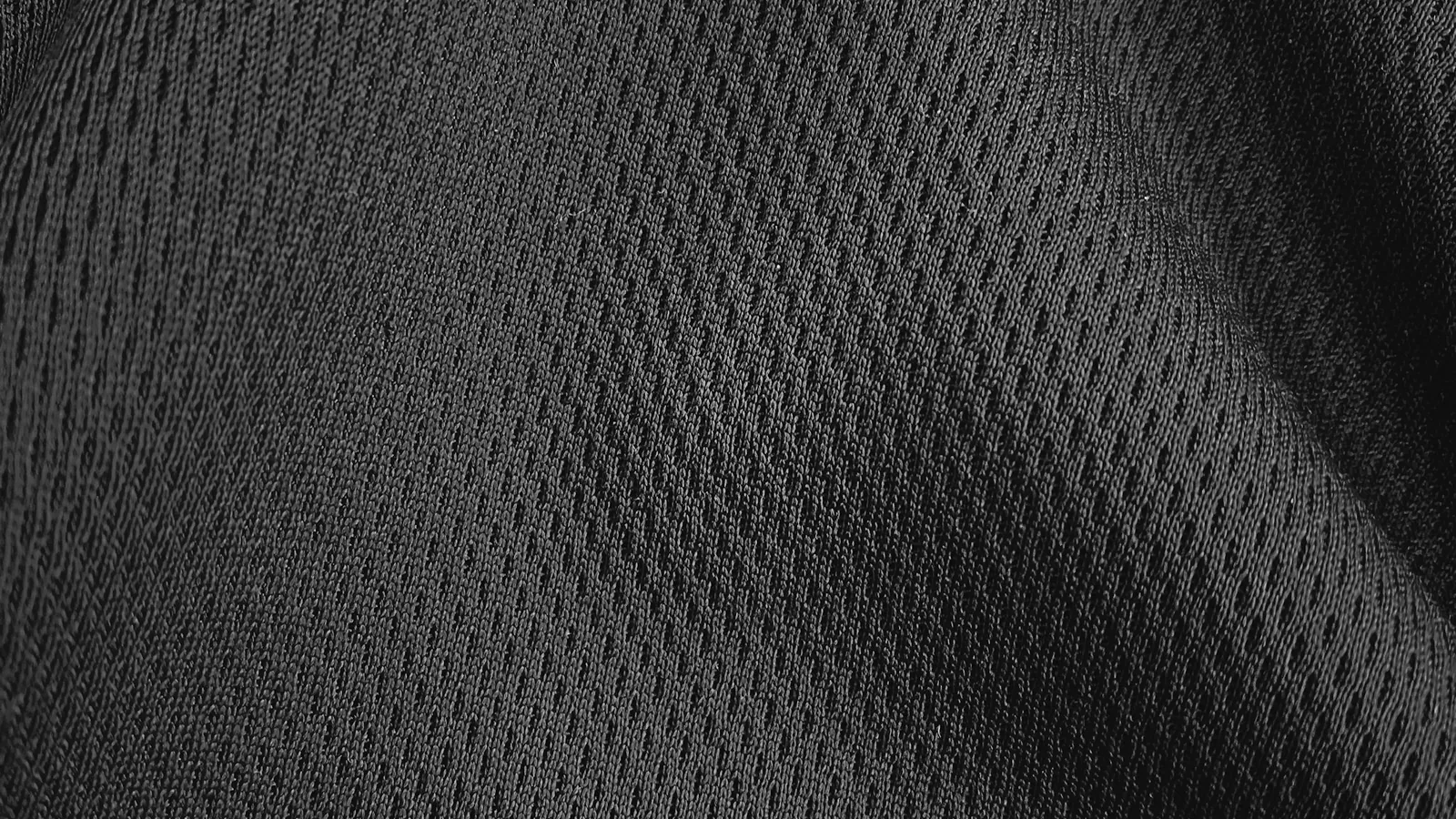
Compare tracksuit fabrics for movement, warmth, airflow, recovery, decoration, and care, then build a complete material brief.
A tracksuit fabric has to work as part of a two-piece system. The jacket and trousers must move together, hold their shape, manage the intended climate, accept pockets and closures, and retain color and measurements after care. The familiar labels, tricot, interlock, fleece, woven shell, describe starting points, not complete specifications.
This guide compares useful fabric directions and shows how to select, combine, sample, and test them for lifestyle, training, team, or warm-up tracksuits.
Define the tracksuit use
Begin with the wearer, activity, climate, layer system, and use before or after exercise. A sideline warm-up suit needs different wind protection and access from a fitted lifestyle set. A travel tracksuit may prioritize softness, pockets, crease recovery, and all-day comfort. Teamwear may require repeat color and future reorder consistency.
- Will the suit be worn during hard activity, warm-up, recovery, or daily life?
- Is it a base outfit or an outer layer over a uniform?
- Does the wearer need wind protection, warmth, airflow, or quick drying?
- What will be carried in jacket and trouser pockets?
- How often will it be washed, and how should it be packed?
The custom tracksuit guide helps connect these answers to style, material, customization, and a production brief.
Compare common tracksuit fabrics
| Fabric direction | Typical character | Best questions to ask |
|---|---|---|
| Polyester tricot | Smooth face, stable warp knit, classic athletic appearance | Weight, snagging, shine, stretch, brushing, colorfastness |
| Polyester interlock | Double-knit, smooth, more substantial and flexible | Recovery, pilling, opacity, drape, heat, print surface |
| French terry | Smooth face and looped interior, casual comfort | Shrinkage, loop quality, knee growth, twist, drying |
| Brushed fleece | Warm, soft interior with greater loft | Pilling, shedding, heat, surface change, rib match |
| Stretch woven | Clean, light to medium shell with controlled give | Recovery, noise, seam slippage, air flow, finish durability |
| Nylon or polyester woven shell | Light, wind-oriented, often lined | Tear, abrasion, coating, static, water claim, breathability |
| Velour | Plush pile and distinctive lifestyle surface | Pile direction, shade, pressure marks, shedding, care |
Use the fabric selection guide to record fiber, structure, weight, finish, and performance separately. "Poly tracksuit fabric" is not enough to quote or approve a product.
Choose knit or woven construction
Knits usually provide mechanical stretch and a softer, more familiar athletic hand. Interlock and tricot can create clean surfaces for color blocking and decoration. French terry and fleece move the product toward comfort and warmth. Check recovery at knees, elbows, and seat rather than judging stretch alone.
Woven tracksuits can be lighter, crisper, and more protective against wind. They need sufficient pattern ease, articulated shape, gussets, or stretch where the athlete moves. A non-stretch shell that fits well standing can bind during a lunge or reach. Lining and venting can improve comfort but add heat and complexity.
The knitted fabric guide explains jersey, interlock, tricot, terry, fleece, stretch, and recovery in more detail.
Coordinate jacket and trouser materials
The two pieces can share one fabric, but they do not have to. Trousers may need greater abrasion resistance and recovery at knees and seat. A jacket may need a lighter lining, ventilation, or a different facing for the collar and zip. If materials differ, approve color under consistent lighting and after care; two polymers or structures can produce visibly different shades.
Rib, mesh, pocketing, elastic, zips, drawcords, thread, and transfer materials should be tested with the main fabric. Mismatched shrinkage can ripple a zip or twist a waistband. A heavy pocket bag can drag a light shell.
Specify stretch, recovery, and mobility
Record stretch by direction and define the required return after extension. For woven suits, state whether movement comes from elastane, mechanical stretch, pattern ease, or panel design. Evaluate the garment through running, squatting, lunging, reaching, sitting, and putting it on over the intended base layer.
Observe waistband roll, knee bagging, crotch strain, hem rise, sleeve travel, shoulder restriction, and jacket ride-up. Load pockets during the test. Repeat after washing because dimensions and recovery can change.
Manage warmth, airflow, and weather
Match weight and construction to the climate and activity. A brushed fleece can be excellent for cool recovery but uncomfortable during hard indoor training. A light woven shell can reduce wind penetration while trapping moisture if venting and layers are poorly planned.
If using terms such as breathable, wind resistant, or water resistant, define the relevant test and threshold for the exact finished material or garment. A durable water-repellent finish, coating, or membrane can change hand, care, seam construction, and claim evidence. Do not assume a generic supplier finish supports the final marketing language.
Plan color, decoration, and team identity
Confirm dye route, shade standard, lot consistency, and fastness to washing, rubbing, and perspiration as relevant. Deep or contrasting colors may transfer onto light panels, labels, or other garments. The dyeing guide explains how material and finish affect color approval.
For print, transfer, embroidery, applique, or woven panels, test heat, stretch, backing, and seam interaction. A large transfer can stiffen a light fabric; dense embroidery can pull tricot; sublimation requires suitable material and control of migration. Approve exact artwork size and placement on both pieces.
Sample and test the complete suit
- Approve main fabric, lining, rib, mesh, pocketing, and trims together.
- Fit jacket and trousers as a system over the intended layers.
- Perform the movement protocol with realistic pocket loads.
- Wash repeatedly and inspect measurements, color, pilling, recovery, zips, and artwork.
- Check size grading and team decoration at representative sizes.
- Seal a final sample and document tolerances for bulk inspection.
Write a tracksuit fabric brief
Include customer, activity, climate, jacket and trouser silhouettes, layer system, composition, knit or weave, target GSM, width, stretch, recovery, hand, sheen, color, finish, lining, pockets, care, testing, decoration, quantity, and delivery market. State whether repeat ordering and exact team color are important.
A good tracksuit material is not chosen from a single fiber preference. It is approved as part of the fit, components, finish, and use. Test the complete suit, record the result, and let that evidence guide the final specification.