
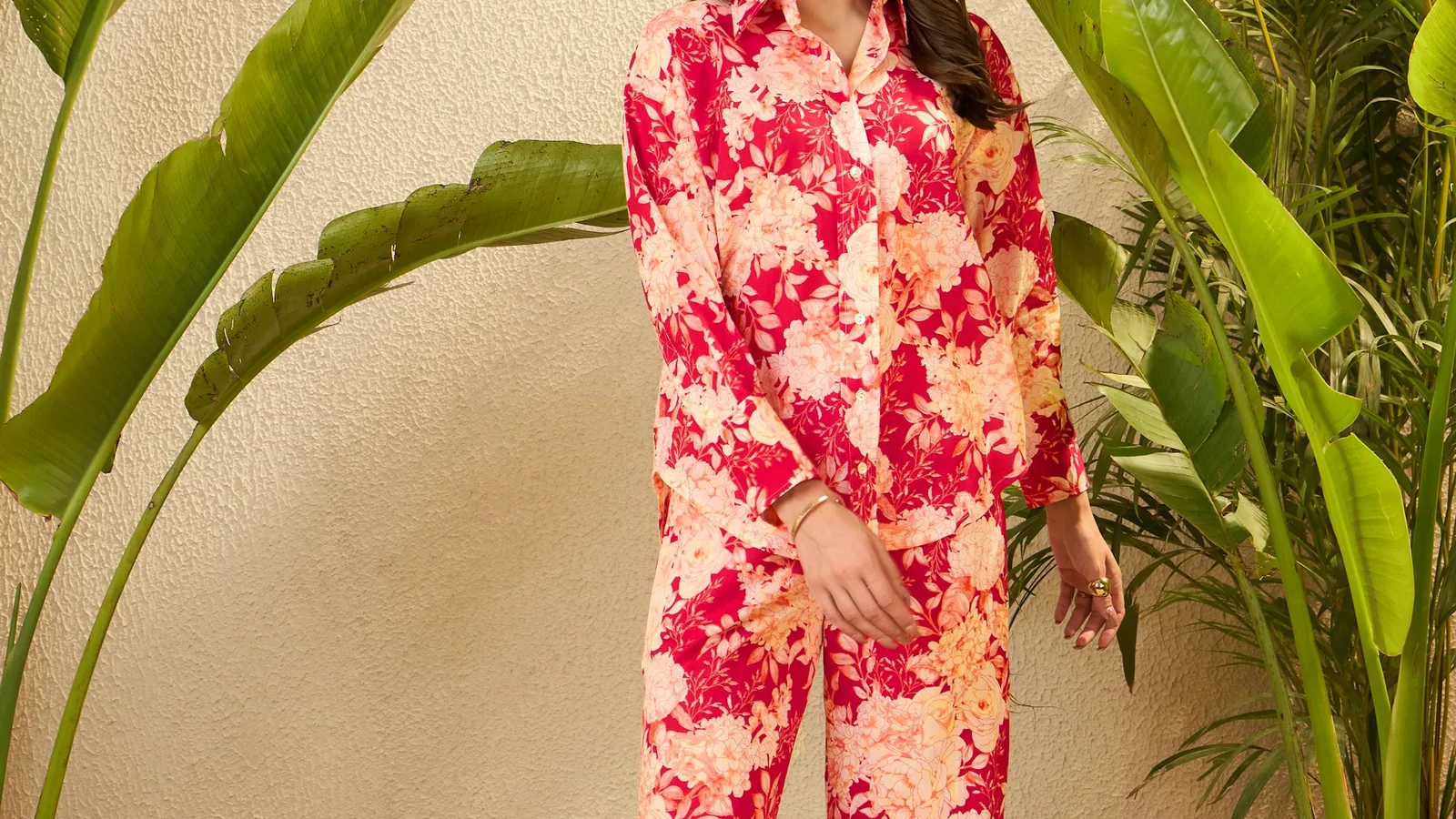
Plan a loungewear business around a clear occasion, coordinated capsule, tested comfort, fit, costing, presentation, and reorder evidence.
A loungewear business succeeds when comfort is designed rather than assumed. Customers notice fabric against skin, waistband pressure, pocket bulk, temperature, recovery at knees and elbows, fit after washing, and whether separate pieces work as a set. A soft first touch is not enough if the garment twists, pills, or loses shape.
Starting with a clear wearer and a small product system makes those details easier to develop. This guide covers positioning, capsule planning, material and fit choices, sampling, costing, and launch evidence for a new loungewear label.
Define the loungewear occasion
"Staying comfortable" covers many situations: sleeping, working from home, travel, recovery, pregnancy, warm-climate relaxation, cold-weather layering, or stepping outside for errands. Choose a primary occasion and describe the customer's temperature, movement, modesty, pocket, and care needs.
Interview potential buyers with garments in hand. Ask what they change out of and why, where elastic bothers them, how often they wash a set, whether they mix sizes between top and bottom, and which details make an item feel presentable beyond the home. Review competing products for composition, weight, fit, set pricing, size range, and repeated return complaints.
- Write one primary use occasion and one secondary use.
- Define the desired feeling with observable traits, not only "luxury" or "cozy."
- Set target retail prices for separates and a complete set.
- Choose what will remain consistent across future collections.
Build a small, mixable capsule
Begin with two or three complementary shapes, such as a relaxed top, a straight or cuffed bottom, and a light layer. Let customers buy separates when body proportions or preferences differ. Use shared color, fabric, trims, and fit language where appropriate, but do not force one material onto pieces with different jobs.
| Product role | Key decisions | Typical risk |
|---|---|---|
| Soft top | Neckline, shoulder ease, sleeve, length, skin feel | Neck growth, twist, cling, heat |
| Lounge bottom | Rise, waistband pressure, seat ease, pocket, hem | Knee bagging, rolling elastic, pocket show |
| Warm layer | Overlap, closure, belt or zip, layering room | Bulk, dragging weight, restricted movement |
| Sleep-adjacent style | Seam softness, coverage, hardware, temperature | Irritation, transparency, unsafe loose trims |
The loungewear product guide can help translate this capsule into styles, material directions, customization, and a buyer brief.
Select fabric for comfort and recovery
Compare composition, knit or weave, weight, hand, drape, stretch, recovery, opacity, breathability, warmth, pilling, shrinkage, colorfastness, and care. Brushing and softening can create an appealing first touch, but test whether the hand remains after laundering.
- Jersey: light and flexible; check twist, cling, recovery, and opacity.
- Interlock: smoother and more stable; useful where extra cover or structure is wanted.
- French terry: looped interior with moderate warmth; assess loop snagging and shrinkage.
- Brushed fleece: warm and soft; check shedding, pilling, heat, and surface change.
- Woven cotton or blends: crisp to fluid; useful for pajama-like sets but needs enough movement ease.
- Rib knit: close and stretchy; recovery and seam waviness are critical.
Use the knitted fabric guide to separate fiber from structure and specify GSM, stretch, recovery, and stability. Approve color and fabric on a garment, because a swatch does not reveal knee growth or waistband behavior.
Develop fit for rest and everyday movement
Relaxed fit still needs balance. Excess volume in the wrong place creates twisted seams, dragging pockets, or a garment that looks several sizes too large. Define the base size, intended ease, shoulder and arm mobility, rise, seat, thigh, and length. Decide whether tops and bottoms share one sizing system or can be mixed.
Fit-test sitting cross-legged, reclining, working at a desk, reaching, climbing stairs, and sleeping if that is an intended use. Check pressure from elastic, drawcord ends, labels, seams, zips, buttons, and pocket contents. Observe exposure at necklines and waist during position changes.
Validate the size range
Review representative sizes rather than applying a grade and assuming comfort scales evenly. Waistband elastic length, rise, pocket opening, cuff circumference, shoulder drop, and garment length may need deliberate rules. Record model measurements and feedback by sample version.
Specify construction and finish
Document seams, stitch appearance, reinforcement, neckline or waistband construction, elastic, drawcord, pockets, cuffs, labels, and hems. Seams against skin should be smooth enough for the use, but "flat" does not automatically mean comfortable; test thickness, thread, tension, and placement.
Keep decoration compatible with softness and stretch. A large dense embroidery can create a hard interior; a print can reduce breathability or crack on a high-extension rib. Review printing methods and sample the exact artwork on production fabric before approving the set.
Sample, wear, and wash the set
- Measure and photograph each sample before wear.
- Wear tops and bottoms together and separately across the intended routine.
- Load pockets and check drag, bounce, and seam strain.
- Wash and dry repeatedly using the proposed care instructions.
- Remeasure and inspect pilling, skew, shrinkage, growth, elastic, color, and hand.
A sleep product may need additional safety, labeling, or flammability consideration depending on garment type, wearer, and market. Verify current requirements with qualified market-specific guidance; do not infer compliance from fabric composition.
Build the cost and inventory plan
Cost development, samples, fabric, trims, sewing, decoration, labels, packaging, inspection, freight, duties, storage, fulfillment, returns, and marketing. Model separate and set margins because a bundle discount can change contribution significantly.
Size and color multiplication is a common inventory trap. Four styles in five colors and eight sizes create 160 stock positions before depth is added. Start with a tighter palette and enough size coverage. A lower-volume production plan can reduce finished stock, but fabric colors, custom dyeing, and trims may still create practical minimums.
Prepare brand details and presentation
Choose label materials and placements that do not undermine comfort. Specify fiber and care information, size identification, brand label, hangtag, folding, and packaging for the destination. Verify legal requirements before bulk printing.
Packaging should protect the set without creating needless volume. If separates can ship together, test the smallest format that avoids crushing or moisture risk. Present material and fit facts clearly instead of relying on words such as "buttery" or "cloud-like."
Launch for fit feedback and reorders
Use real photography in relaxed positions and publish garment measurements, model context, fabric composition, weight or warmth description, fit, care, and whether pieces are sold separately. Train support to answer size questions with measurements.
Track returns by style, size, color, and reason; set-versus-separate purchases; repeat wear comments; pilling or shrinkage reports; and demand for restocks. Preserve approved patterns, material references, colors, and construction records. A loungewear label grows from a dependable comfort platform, not from replacing the range every season.