
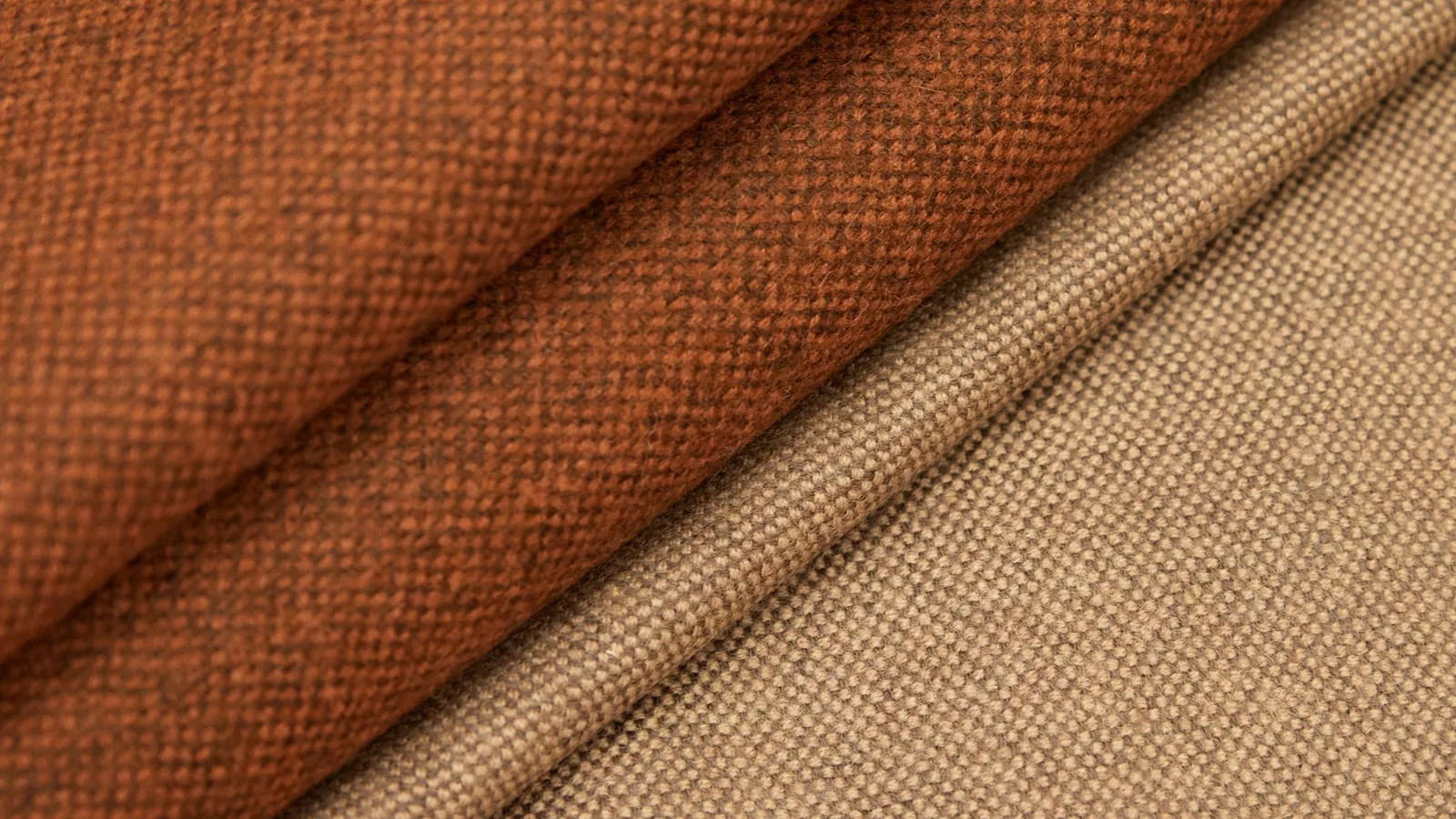
Learn what makes fabric premium for a specific garment, from yarn and construction to sourcing evidence, testing, cost, and care.
A premium fabric is not defined by a prestigious fiber name or a high price alone. It earns its place by supporting the garment's design, comfort, appearance, durability, consistency, and customer expectations. A beautiful material used in the wrong construction can produce a disappointing product, while a carefully engineered conventional fiber can feel exceptional in the right garment.
The practical task is to define what "premium" should mean for one product, then verify those qualities in the exact fabric and finished sample. This guide provides a framework for doing that without relying on vague supplier labels.
Define premium for the product
Translate the desired impression into observable requirements. For a tailored trouser, premium may mean clean drape, recovery, a refined surface, comfortable temperature management, and dependable pressing. For a heavyweight T-shirt, it may mean opacity, a smooth compact face, collar stability, low twist, controlled shrinkage, and a soft hand that survives washing.
Build a short hierarchy because some qualities compete. A very soft finish can reduce crispness. An open, breathable construction may snag more easily. A heavy fabric can signal substance but feel unsuitable in a warm climate. Decide which traits are essential, which are preferred, and which are unacceptable.
- Aesthetic: color depth, luster, texture, drape, and surface consistency.
- Comfort: hand, breathability, stretch, temperature, and skin contact.
- Performance: recovery, abrasion, pilling, strength, and dimensional stability.
- Production: cutability, sewability, pressing, decoration, and repeat availability.
- Evidence: composition, origin or process claims, tests, and traceability.
Compare premium material directions
| Direction | Why it may suit a premium product | What to examine |
|---|---|---|
| Fine or long-staple cotton | Can create a smooth, strong yarn and clean surface | Yarn, construction, compactness, finish, shrinkage, pilling |
| Wool and fine wool blends | Drape, resilience, tailoring response, and temperature comfort | Fiber diameter, blend, weave or knit, pilling, care, pressing |
| Silk | Luster, fluidity, strength at low weight, distinctive hand | Silk type, yarn, weight, weave, snagging, colorfastness, care |
| Linen and refined linen blends | Dry hand, texture, warm-weather character | Yarn evenness, slubs, crease expectations, shrinkage, seam behavior |
| Cashmere or other fine animal fibers | Softness, warmth with low weight, luxurious handle | Fiber content, yarn quality, pilling, strength, care, traceability |
| Engineered cellulosic fabrics | Fluid drape and controlled surface when specified well | Fiber identity, wet behavior, fibrillation, shrinkage, finish |
| High-quality synthetic or blended fabric | Precise stretch, recovery, durability, weather or care performance | Construction, finish durability, comfort, shine, evidence for claims |
No row is automatically superior. A loosely constructed fine fiber may pill or distort; a well-built blend may perform better for the intended use. Compare candidates through the fabric selection framework and keep fiber, yarn, structure, and finish visible as separate decisions.
Look beyond fiber content
Yarn quality and preparation
Fiber length, fineness, alignment, twist, combing, texturing, and ply influence smoothness, strength, luster, bulk, and pilling. A label that says "100% cotton" reveals none of those details. Ask how the desired surface and performance are created, then judge the swatch rather than buying a story.
Construction and density
Weave or knit structure governs drape, stretch, cover, air space, snagging, and stability. Density should be appropriate, not simply high. A fluid dress fabric and a compact overshirt need different structures. For jersey, rib, interlock, fleece, and other loops, the knitted fabrics guide explains the specifications that distinguish them.
Dyeing and finishing
Color consistency, surface preparation, washing, raising, mercerizing, calendaring, softening, and other processes can transform the fabric. A finish that creates an impressive first touch may not be durable. Wash and wear the sample to distinguish a lasting property from a showroom effect.
Source with verifiable information
Request a technical data sheet or written specification covering composition, construction, weight, width, usable width, color method, finish, care, origin information where relevant, minimum quantity, lead time, and repeat availability. If a supplier makes claims about certified inputs, recycled content, animal welfare, chemical management, or origin, request current documentation that applies to the exact article and transaction.
Traceability should follow the material through the components you will actually sell. A branded fiber hangtag, a mill certificate, and a transaction document serve different purposes. Do not place a claim on packaging until the evidence, licensing conditions, wording, and scope have been reviewed.
Keep an approved cutting with its article number, lot or color reference, date, and intended style. If reorders matter, agree how future lots will be compared and what variation is acceptable.
Test for the way it will be worn
A premium promise raises expectations, so choose tests around foreseeable use. A fine knit may need pilling, dimensional stability, seam strength, and recovery checks. A light silk blouse may need seam slippage, snagging, perspiration fastness, and careful pressing trials. A tailored wool may need appearance after cleaning, crease recovery, abrasion, and seam performance.
- Screen swatches for hand, drape, opacity, color, and visible defects.
- Apply the planned dye, print, embroidery, wash, fusing, or finishing process.
- Make a garment sample using production-intent thread, seams, trims, and lining.
- Fit, wear, and care for the sample under realistic conditions.
- Confirm measurable acceptance criteria and an approved physical reference.
Quality testing is most useful when it answers a product question. A long test list with no agreed threshold can create paperwork without a clear release decision. The quality framework shows how specifications and checkpoints connect.
Design construction around the cloth
Premium fabric deserves production choices suited to it. Pattern shape should respond to drape and stretch. Seam type, stitch density, needle, thread, interlining, lining, pressing, and hem should be sampled on the real material. Heavy hardware can distort a delicate cloth; a bulky seam can undermine a fluid silhouette; aggressive heat can mark a sensitive surface.
An original garment benefits from a cut-and-sew process that develops pattern and construction around the approved material. Review the inside as critically as the outside: seam finish, pocketing, facing, labels, and loose ends shape the owner's experience.
Calculate value, not just fabric price
A costly cloth can increase more than the material line. It may require a larger minimum, slower cutting, specialist sewing, extra inspection, careful pressing, protective packaging, or a higher cutting-loss allowance. Calculate the landed garment cost and expected defect risk, not only price per metre.
Then connect the investment to what the customer can understand. Name the actual material, explain relevant care and construction, show detail honestly, and avoid inflated phrases. "Dense 260 GSM interlock selected for opacity and shape" is more useful than "the world's finest cotton."
Write a premium fabric brief
Include the product, customer, climate, target price, composition preference, structure, target weight, width, hand, drape, stretch, opacity, surface, color, finish, care, testing, evidence requirements, quantity, and reorder plan. Identify the approved reference and the qualities it represents.
A premium material is one that performs its role exceptionally well and can be produced consistently enough to support the brand promise. Define that role first, verify it through the finished garment, and let evidence carry the story.