
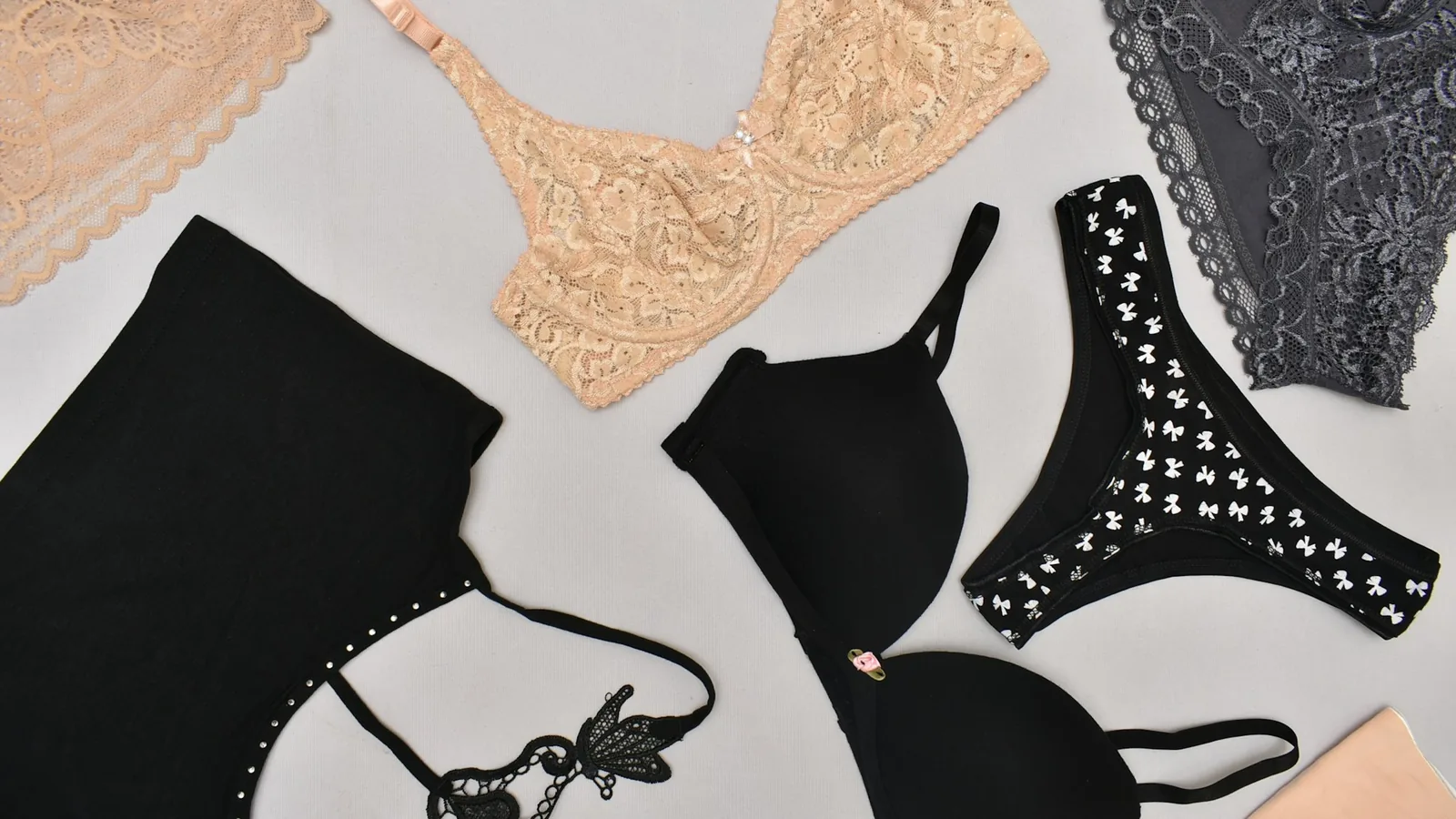
Compare underwear coverage, fit, gussets, materials, elastics, seams, and wear-test checks for a production-ready brief.
Underwear development depends on details the wearer may never see on a product page: rise, coverage, gusset shape, elastic extension, seam placement, stretch direction, and recovery. Style names help organize a range, but they do not define fit. A "brief" can be high or low rise, full or moderate coverage, and made in materials with very different behavior. Specifications must describe the actual garment.
Understand the main underwear style families
Briefs provide coverage around the seat and can be designed at low, mid, or high rise. Bikini styles usually combine a lower rise with a moderate side width. Hipsters sit around the hip with a broader side. Boyshorts extend into a short leg shape. High-cut briefs raise the front leg opening. Cheeky, Brazilian, thong, and string styles progressively reduce back coverage, but the exact cut varies by brand.
| Style family | Coverage direction | Key measurement | Fit watch point |
|---|---|---|---|
| Classic brief | Moderate to full seat | Rise and leg opening | Elastic cutting into the crease |
| High-waist brief | Fuller torso coverage | Waist position and front length | Waist rolling or gaping |
| Bikini or hipster | Moderate seat, lower waist | Side seam depth | Front and back balance |
| Boyshort | Seat plus short leg | Inseam and leg circumference | Leg ride-up |
| Cheeky or Brazilian | Reduced back coverage | Back width and curve | Edge placement during movement |
| Thong or string | Minimal back coverage | Back strap width and length | Seam bulk and elastic tension |
Define fit through measurements and coverage maps
Record waist or top-edge position, front rise, back rise, side depth, front width, back coverage, leg opening, and gusset dimensions. A flat sketch should show coverage from the back, not only the front. Reference photographs can clarify intent, but they should be translated into measurable points.
Fit must be checked on bodies representing the intended size range. The garment should remain secure while walking, sitting, bending, and dressing without excessive pressure, gaping, rolling, or ride-up. Stretch garments cannot be evaluated only from relaxed flat measurements; the extension of fabric and elastics determines how those measurements interact with the body.
Choose body and gusset materials deliberately
Cotton jersey is familiar and breathable in everyday products, while modal, viscose, or lyocell blends may provide a softer hand and more fluid drape. Microfiber knits can create a smooth, light result. Lace and mesh introduce transparency and visual detail but need stable edges, compatible stretch, and thoughtful seam placement. Performance blends may prioritize drying and recovery.
Do not choose by fiber name alone. Evaluate weight, stretch in both directions, recovery, opacity, pilling, snagging, colorfastness, shrinkage, and how the material feels at seams. A delicate lace may need a soft lining or panel arrangement. A very light knit may require wider elastic or bonded support to remain stable.
The gusset is a separate specification. Define its fiber, number of layers, finished shape, attachment, coverage, and whether any edge remains open by design. Claims about hygiene, antibacterial action, or health benefits require appropriate evidence and should not be inferred from a natural-fiber label.
Engineer elastics and edge finishes around recovery
Waist and leg edges may use plush-back elastic, picot elastic, fold-over elastic, knitted bands, narrow binding, coverstitch, turned hems, bonded films, or clean-cut materials. Each method changes pressure, appearance, bulk, stretch, and machinery. Record elastic width, visible reveal, softness, extension, recovery, and application ratio.
Too little tension can create gaping; too much can cut into the body or distort lightweight fabric. The same elastic ratio should not be assumed for waist and leg openings. Joins need secure, low-bulk construction. Where elastic contacts skin, inspect exposed edges, thread, labels, and heat-sealed areas for roughness.
Place seams where they support comfort and shape
Overlock and coverstitch are common in stretch underwear, while flatlock, bonded, taped, or clean-finish constructions can reduce bulk for specific designs. "Seamless" may describe circular knitting with fewer seams, bonded construction, or simply a smooth appearance; state the intended production method.
Side seams are efficient but can interrupt lace or print placement. Center-back seams can create shaping but sit in a sensitive area. Panel lines should add fit or design value rather than unnecessary thickness. Thread type and stitch extension must allow the garment to reach its wearing dimension without popping.
Build a coherent underwear range
Start with a fit block and coverage ladder. For example, a range might use one material and brand language across a full brief, bikini, boyshort, and thong, while each style has a clearly documented top edge, side depth, leg line, and back coverage. Shared colors and trims can create consistency, but elastic tension and pattern shape still need approval per style.
Plan size inclusivity at the pattern stage. Wider elastics, adjusted gussets, different strap widths, or revised seam positions may be appropriate across an extended range. Do not simply scale every component by the same percentage. Wear testing across sizes is the best way to identify rolling, ride-up, pressure, and coverage changes.
Create a fit and quality approval brief
- Approve body and gusset materials, stretch, recovery, opacity, and color.
- Record relaxed and extended edge measurements plus elastic application.
- Check seam extension, skipped stitches, joins, thread ends, and rough points.
- Wear-test movement, coverage, rolling, ride-up, gaping, and recovery.
- Confirm fiber, care, origin, size, and other labeling required for the sales market.
For US labeling context, consult the Federal Trade Commission's textile labeling guidance. Continue product development through custom underwear manufacturing, lingerie development, the fabric guide, and the quality process.