
Learn how shell, lining, insulation, closures, pockets, hoods, hardware, and fit work together in a production-ready jacket brief.
"Jacket" describes a wide product family rather than one construction. A lightweight shell, an insulated puffer, a lined bomber, and a tailored overshirt can share a category while requiring different patterns, machinery, materials, and quality checks. Brands get better samples and quotations when they define the jacket as a system: outer shell, internal structure, closure, pockets, trims, finish, and intended conditions.
Understand the jacket as a layered system
Start with the wearer and the job. Is the piece primarily for warmth, weather protection, uniform identity, sport, fashion layering, or transitional use? Then define the layers needed to deliver that job. An unlined woven jacket may have only a shell and clean internal seam finish. A winter style may combine shell fabric, insulation, lining, interlining, pocketing, rib, and protective flaps.
Each additional layer affects bulk, seam choice, needle selection, pressing, movement, and cost. It also changes how the sample should be reviewed. A shell can look balanced on a hanger but feel restrictive once insulation and a thick underlayer are added. Fit approval should therefore reflect the intended wearing conditions.
| Family | Core construction | Best brief detail | Common risk |
|---|---|---|---|
| Unlined jacket | Single shell with finished internal seams | Inside appearance and seam method | Raw or bulky internals |
| Lined jacket | Shell plus separate lining | Lining ease, attachment, access opening | Twisting or restricted movement |
| Insulated jacket | Shell, fill or batting, and lining | Warmth direction, loft, quilting map | Cold spots and uneven fill |
| Bonded shell | Multi-layer material acting as one | Stretch, seam finish, delamination checks | Incompatible tape or heat |
| Tailored jacket | Shaped shell with internal support | Canvas, fusing, shoulder and lapel build | Puckering and poor pressing |
Choose shell constructions around the use
Windbreakers and lightweight shells
These styles prioritize low bulk and easy layering. Nylon or polyester woven shells are common directions, but weave, coating, air permeability, noise, and surface finish change the result. Elasticated edges, adjustable hems, vents, and hood construction can be more important than fabric weight alone. If water resistance is claimed, specify the required test and whether seams also need protection.
Workwear and utility jackets
Utility products often use firm twills, canvas, denim, or durable blends with reinforced pockets and stress points. The brief should map tools or objects to pocket dimensions, confirm abrasion zones, and define whether mobility comes from gussets, pleats, stretch panels, or extra ease. Decorative "workwear" styling does not automatically meet occupational safety requirements.
Leather and leather-alternative jackets
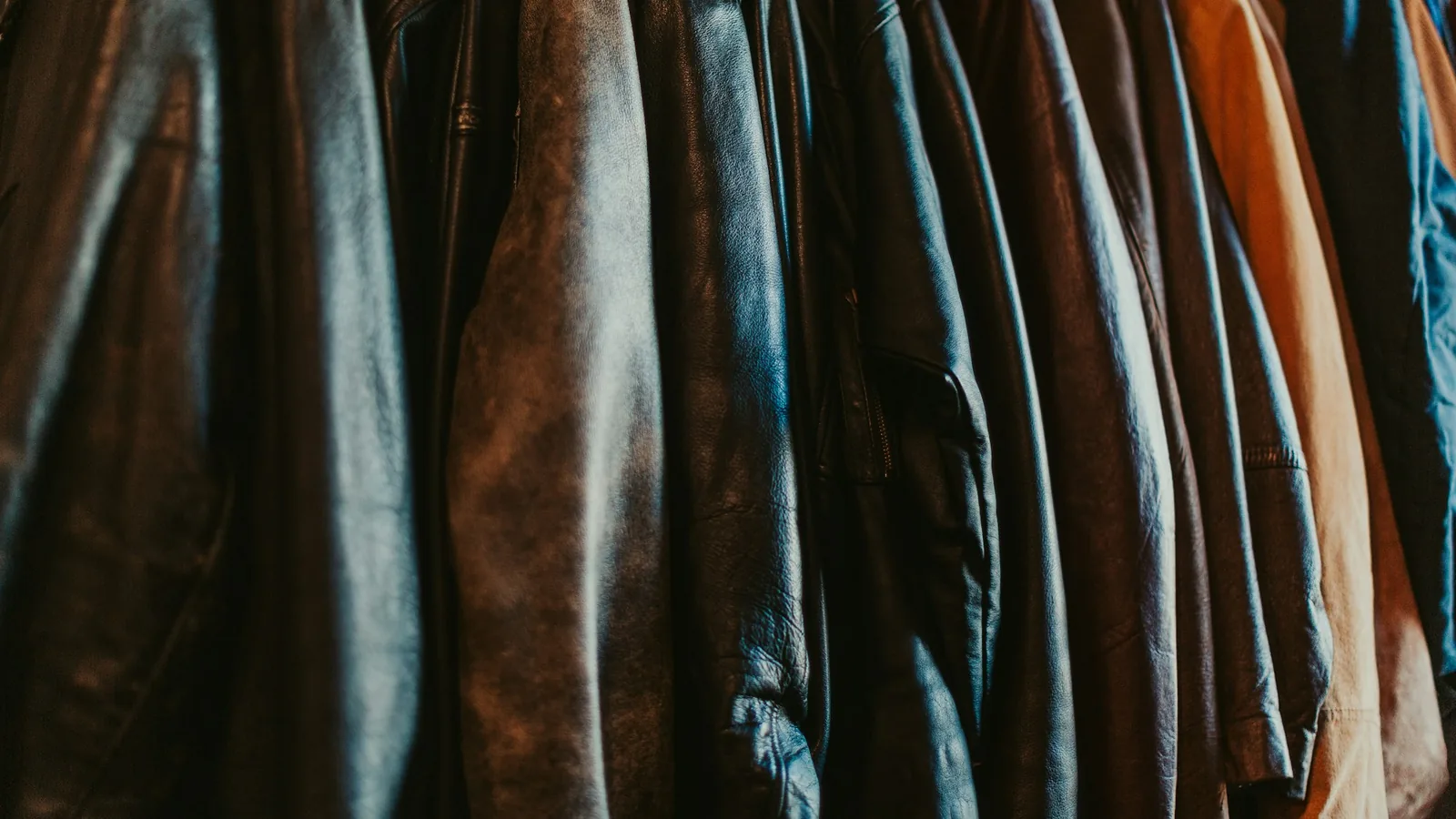
Panel planning matters because hides and coated materials have directional appearance, natural variation, or limits on needle holes. Seam allowances cannot always be unpicked cleanly. Buyers should approve surface character, thickness, backing, hardware weight, lining, and panel placement before cutting.
Plan insulated and quilted jackets from the inside out
Puffer and quilted jackets depend on how insulation is contained. Sheet batting may be quilted to a layer before assembly. Loose fill needs chambers that control migration. Down or feather products require verified fill composition and careful containment; synthetic fills vary in loft, recovery, and wash behavior. Avoid publishing warmth ratings without a defined test and complete garment specification.
The quilting map is both technical and visual. Narrow channels can compress fill and add sewing time; wide chambers may allow migration. At seams, insulation can create bulky ridges that affect zipper installation and armhole comfort. The sample review should check distribution, loft consistency, stitch tension, seam leakage, hood balance, and whether the garment packs or recovers as intended.
Distinguish tailored, bomber, trucker, and overshirt builds
A tailored jacket uses shaping, pressing, lapel construction, pockets, and internal support to create form. A bomber typically relies on a shorter body, front closure, and rib or elastic at the hem and cuffs. A trucker-style jacket is organized around a structured collar, front yokes or panels, chest pockets, and waistband treatment. An overshirt sits between shirt and jacket, often using simpler internal structure and a relaxed layering fit.
These labels are useful starting points, not complete specifications. "Bomber" does not say whether the garment is reversible, padded, raglan, or set-in sleeve. "Trucker" does not define pocket shape or waistband construction. Use front, back, and internal drawings with measured details rather than relying on a style name.
Engineer closures, pockets, hoods, and movement
Zippers must suit the garment weight, opening direction, and intended life. Specify tooth or coil direction, gauge, tape color, puller, end type, and any storm flap or zipper garage. Snaps and buttons need reinforcement appropriate to the shell. A closure should be tested through repeated use on a finished sample, not judged loose in the hand.
Pocket design should state opening size, bag depth, placement, closure, lining, reinforcement, and what it needs to hold. Hoods require decisions about volume, face opening, peak, drawcords, adjusters, attachment, and compatibility with collars. Movement should be checked at the shoulders, elbows, chest, and hem with the intended underlayer. Articulated seams, gussets, pleats, stretch, or added ease each solve movement differently.
- Approve all shell, lining, insulation, rib, pocketing, and interlining materials.
- Map hardware with type, size, finish, color, supplier, and placement.
- Define seam appearance, topstitch width, stitch density, and internal finishing.
- Review finished measurements plus functional movement and layering.
- Test care behavior on the assembled garment, including trims and decoration.
Write a jacket brief that a sample room can use
Provide a technical drawing, intended use, base size measurements, fit reference, material direction, layer map, pocket and closure details, artwork, size range, quantities, target delivery, and destination. Identify which properties are essential and which are open to recommendation. If a reference garment is supplied, explain what to copy, what to change, and what must remain original.
Continue with the custom jacket development page, compare materials in the fabric guide, understand the cut-and-sew process, and review garment quality checkpoints before preparing a quote.