
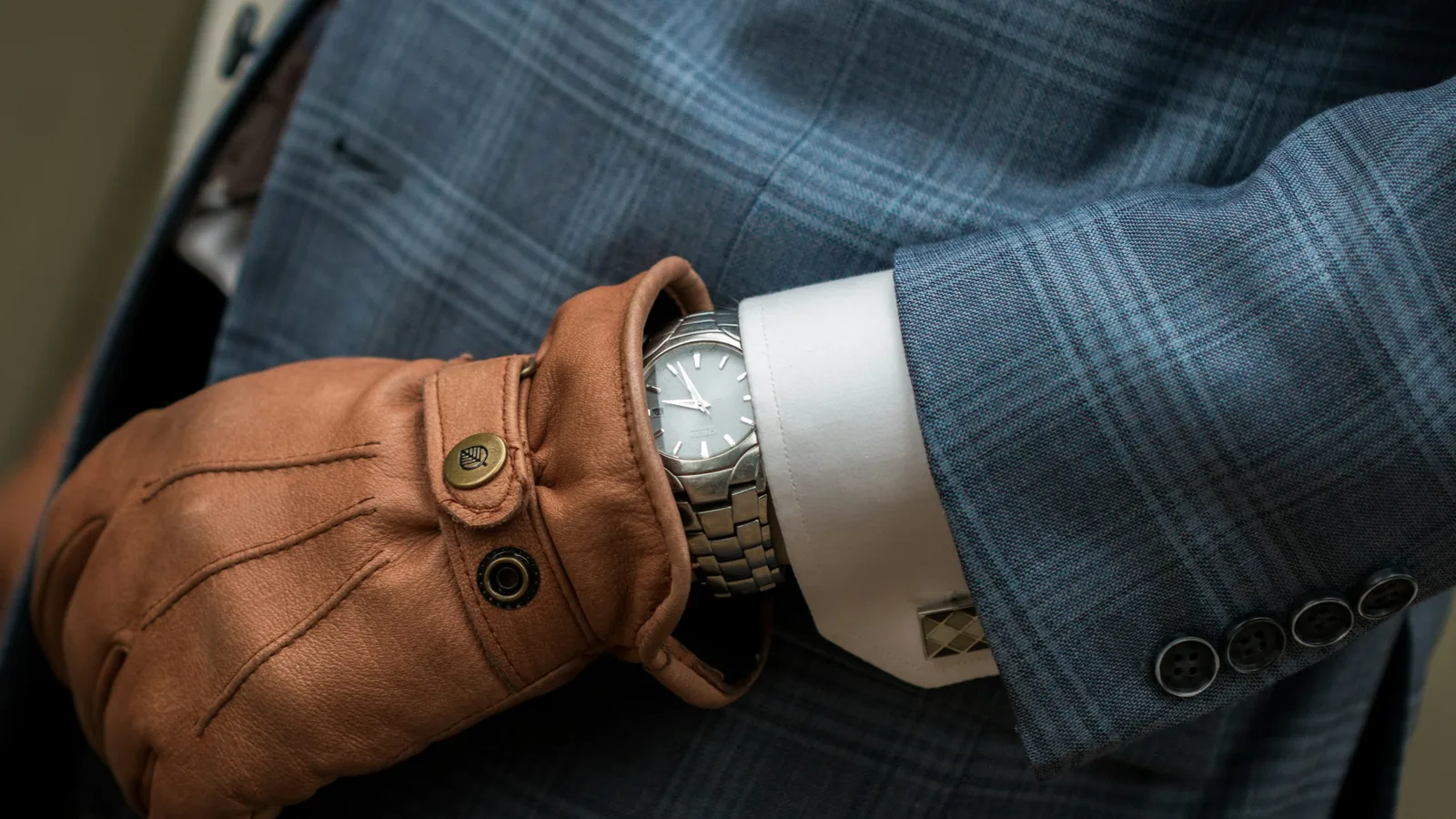
Compare glove types by use, pattern, materials, warmth, dexterity, grip, sizing, components, and the testing each product requires.
Gloves range from light fashion accessories to insulated winter products, sports equipment, workwear, and highly regulated protective gear. The visible silhouette is only the start. Dexterity, grip, warmth, abrasion, moisture, cuff, closure, lining, seams, sizing, and the exact hazard or activity determine the construction.
This guide compares common glove types from a product-development perspective. It does not certify any design for medical, industrial, fire, chemical, electrical, or other protective use; those products require specialist engineering, current standards, testing, and market-specific conformity work.
Classify the glove by use
| Type | Primary need | Development focus |
|---|---|---|
| Fashion or dress glove | Silhouette, hand feel, finishing | Fine fit, seam bulk, material quality, color |
| Winter glove | Warmth and weather comfort | Insulation, lining, wind, moisture, cuff, dexterity |
| Liner glove | Light warmth or layering | Close fit, stretch, seam comfort, wicking, low bulk |
| Running or cycling glove | Weather, grip, controls, sweat | Articulation, palm material, padding, visibility, cuff |
| Gym or training glove | Grip and contact management | Palm reinforcement, closure, finger length, durability |
| Goalkeeper or sport-specific glove | Equipment interaction and sport function | Specialist palm, cut, closure, rules, size system |
| Work or protective glove | Defined task or hazard | Applicable standard, certified materials, tested performance |
| Adaptive or touchscreen glove | Access or device interaction | Conductive zones, dexterity, closures, real-device testing |
A brand should narrow the category to one use before selecting materials. "Outdoor glove" is not specific enough to resolve whether warmth, waterproofing, rope handling, touchscreen use, or packability comes first.
Understand glove pattern and anatomy
A glove pattern may include palm and back panels, fourchettes between fingers, thumb pieces, fingertips, gussets, cuff, wrist elastic, closure tab, reinforcement, and lining. Pattern geometry must allow hand curvature and finger movement without excess bulk.
- Gunn cut or related workwear layouts: move seams and panels to support durability and grip.
- Clute-style construction: uses a continuous palm and finger arrangement common in selected work gloves.
- Fourchette construction: inserts side pieces between fingers for shaped fit and dexterity.
- Pre-curved or articulated pattern: builds the expected grip position into fingers and palm.
- Mitten or lobster construction: groups fingers to change warmth and dexterity balance.
Terms vary by factory and product class. Use pattern drawings, seam maps, and a physical reference. An original specialist design may need a cut-and-sew development process that resolves articulation, layers, and components together.
Select shell, palm, and lining materials
The back of hand may prioritize stretch, insulation, or weather; the palm may prioritize grip and abrasion; the lining may prioritize warmth and moisture. One material rarely performs every role.
Natural and leather directions
Leather can provide grip, abrasion performance, wind resistance, and a refined hand depending on type, thickness, tanning, finish, and cut. Wool knits can provide warmth and comfort but need pilling, shrinkage, and seam evaluation. Cotton can suit light liners or casual gloves but may absorb moisture and dry slowly.
Synthetic and engineered directions
Polyester and nylon knits or wovens can provide stretch, durability, low weight, and drying performance. Elastane supports fit and recovery. Synthetic suede, coated fabrics, grip prints, membranes, foams, and nonwoven insulation can add functions but must be assessed as a layered system.
Use the fabric guide to record composition, construction, weight, stretch, finish, and evidence for each zone. Avoid assuming a fiber name proves warmth, waterproofing, cut resistance, or chemical protection.
Balance warmth, weather, and dexterity
Warmth depends on insulation loft, air spaces, wind, moisture, fit, cuff, and activity. Adding insulation can reduce finger control and compress when gripping. A tight glove can also reduce the insulating air layer. Prototype more than one insulation weight when dexterity matters.
Waterproof systems require compatible shell, membrane or insert, seams, cuff, and construction. A material test does not prove the finished glove will resist water at stitching or openings. Define the test method, duration, and acceptable leakage for any claim.
For high-output sport, ventilation and moisture movement may matter more than maximum insulation. The sportswear guide helps frame activity, climate, material, and movement as connected requirements.
Develop fit and size grading
Collect or select a hand-size dataset relevant to the target customer. Key dimensions can include hand circumference, hand length, palm width, finger lengths, thumb position, and wrist. Decide whether the product uses numeric, alpha, or gendered sizing and explain the measurement method.
Fit-test both hands through opening, making a fist, gripping the intended object, pinching small items, operating closures, and completing the target activity. Check fingertip space, web depth, thumb rotation, seam pressure, lining pullout, cuff entry, and wrist stability.
Grades may need more than uniform scaling. Finger proportions, thumb placement, cuff opening, padding, and closure length should be reviewed at representative sizes.
Design grip, padding, and device use
Grip can come from material friction, texture, silicone or polymer print, overlays, leather, or pattern geometry. More friction is not always better; a cycling glove, goalkeeper glove, and fashion glove interact with different surfaces. Test dry, wet, cold, or sweaty conditions relevant to use.
Padding should protect a defined contact zone without creating pressure, bulk, or unstable grip. Specify material, density, thickness, shape, edge, placement, and recovery. Map the hand while holding the actual equipment.
Touchscreen compatibility depends on device, conductive material, contact area, fit, moisture, and construction. Test multiple representative devices after wear and laundering. Do not promise universal operation from a small conductive patch.
Plan cuffs, closures, and pairing
Cuffs can fit under or over a sleeve, seal with elastic, adjust with a strap, extend as a gauntlet, or remain open for quick removal. Test the glove with the intended jacket or uniform. A strong closure placed over a pressure point can become uncomfortable during wrist flexion.
Small hooks, pairing clips, leashes, labels, pull tabs, and storage loops need attachment and snag evaluation. If gloves are sold as a pair, packaging and picking controls must verify left and right, size, color, and orientation. Coordinate those details with the labels and packaging plan.
Test for the actual use
- Fit representative sizes and complete the activity with real equipment.
- Assess seam strength, dexterity, grip, abrasion, and closure cycling.
- Expose the glove to relevant sweat, rain, cold, heat, soil, or laundering.
- Inspect delamination, lining movement, insulation migration, color transfer, and material hardening.
- Verify paired size, labels, care, trims, and packaging.
- For protective products, complete the applicable accredited testing and conformity route before making claims.
The quality framework can help connect approved materials, measurement methods, and product-specific checks to bulk inspection.
Write a complete glove brief
Include wearer, activity or task, environment, glove type, pattern construction, size range, shell, palm, lining, insulation, membrane, stretch, grip, padding, cuff, closure, trims, color, decoration, care, tests, claims, quantity, and destination market. Provide hand measurements, equipment context, and reference images with annotated priorities.
The correct glove type is defined by what the hand must do and what conditions it faces. Build the specification around that use, validate it in motion, and keep safety or performance language within the evidence.