
Explore common baseball hat types and learn how crown profile, panels, structure, closure, materials, artwork, and fit shape each cap.
"Baseball hat" covers more than one crown shape. Panel count, profile, structure, visor, closure, material, and fit can turn the same basic idea into a fitted team cap, relaxed dad cap, flat-brim snapback, technical running cap, or mesh-backed trucker.
Knowing the types is useful only when the style name is converted into a specification. Supplier terminology varies, so this guide pairs common categories with the construction and fit questions that should be approved in a sample.
Learn the anatomy first
- Crown: the body covering the head, formed from panels.
- Profile: the crown's vertical height and angle.
- Structure: support such as buckram that helps the front retain shape.
- Visor or brim: the projecting front, built around an insert.
- Sweatband: the interior band contacting the head.
- Closure: fitted sizing, snap, buckle, hook-and-loop, elastic, or another adjuster.
- Eyelets and seam tape: ventilation and interior finishing details.
The custom baseball-cap guide helps turn these parts into a production brief.
Compare common baseball-hat types
Structured six-panel cap
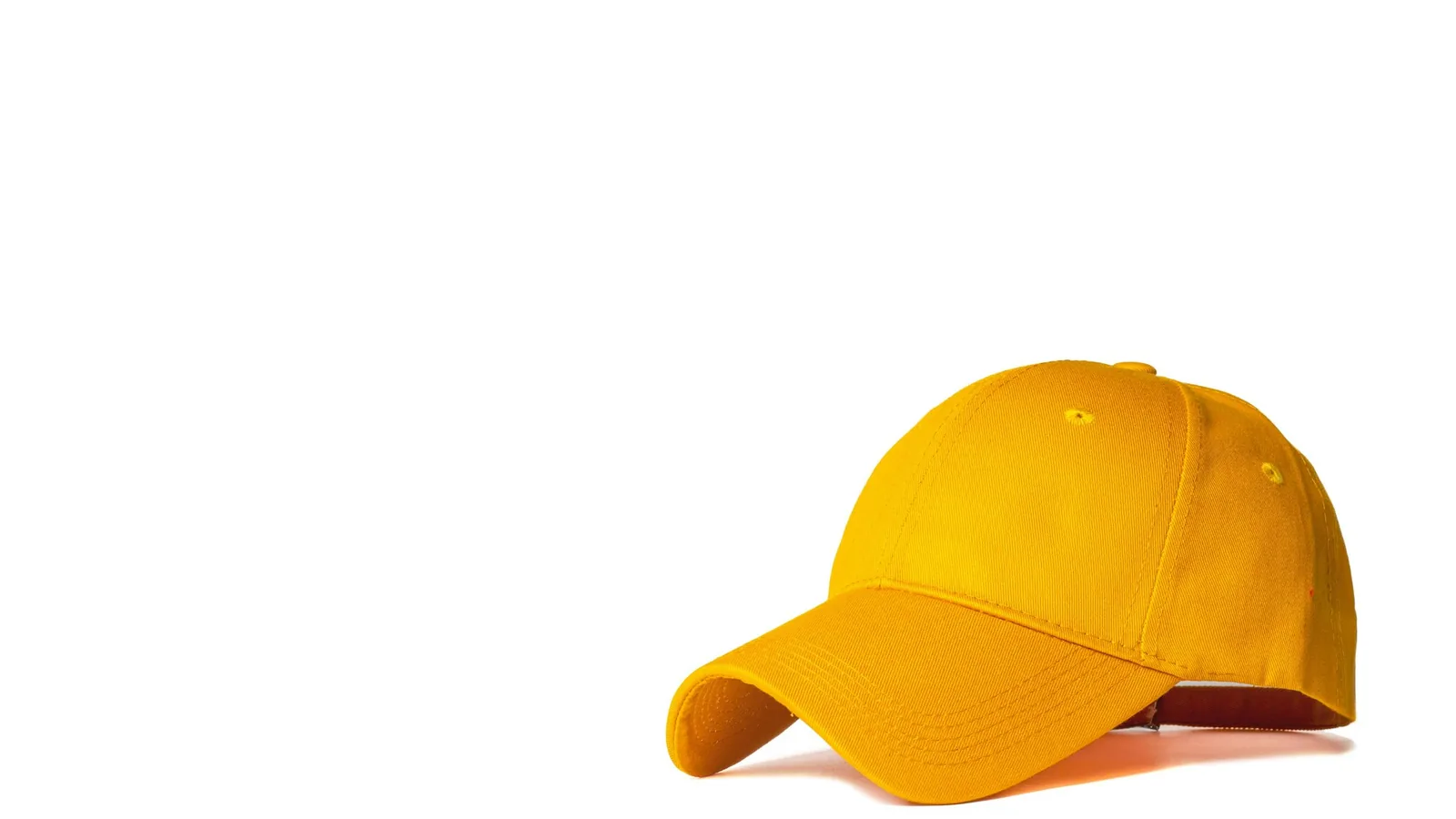
Six panels meet at the top button, and supported front panels hold a defined shape. A curved visor creates the familiar athletic silhouette. The center-front seam affects embroidery placement, so narrow text and fine vertical details need careful digitizing.
Unstructured dad cap
A soft crown follows the head rather than standing upright. It is often low profile with a pre-curved visor and fabric strap or buckle closure. Softness depends on material, washing, panel shape, and interior support, not the name alone.
Flat-brim snapback
This style commonly uses a structured medium- or high-profile crown, flatter visor, and adjustable plastic snap. Check crown angle, visor width, snap range, and whether the customer is expected to curve the brim.
Fitted baseball cap
A fitted cap has no adjustable opening and is sold by head-size increments. It offers a continuous back and clean silhouette, but size accuracy and stock planning are more demanding. Stretch-fit versions add elastic or stretch materials but still require a defined size range.
Five-panel cap
A broad front panel avoids the six-panel center seam and creates a distinctive outdoor, skate, or lifestyle shape. Side-panel geometry and crown depth vary widely. The flatter artwork area can support patches and prints as well as embroidery.
Trucker cap
A foam or fabric front is combined with mesh back panels, commonly with a snap closure. Ventilation and a prominent decoration surface are defining features. The trucker-cap guide covers foam, mesh, profile, and closure choices in detail.
Performance running cap
Lightweight woven panels, low-profile fit, ventilation, fast-drying sweatband, and a flexible or packable visor may be used for active conditions. Any wicking, cooling, weather, or ultraviolet claim needs evidence for the exact final product.
On-field or team cap
Built around uniform identity and repeatability, this route may use fitted or adjustable construction, specific crown proportions, durable front embroidery, and tightly controlled team color. Reorder records matter as much as the first sample.
Choose crown profile and structure
| Direction | Visual effect | Fit consideration |
|---|---|---|
| Low profile | Close, relaxed, less vertical front | May suit shallow crowns; check ear and forehead contact |
| Mid profile | Balanced athletic or lifestyle shape | Useful general starting point, still requires fit testing |
| High profile | Prominent, upright front and larger artwork plane | Can feel roomy or sit high on some head shapes |
| Structured | Front retains a crisp shape | Support stiffness and seam pressure affect comfort |
| Unstructured | Crown collapses and follows the head | Panel balance controls wrinkles and fit |
Do not select profile from a front image alone. Review side and back views and fit several head shapes. Crown depth, opening, visor position, and closure interact.
Select material and sweatband
Cotton twill is familiar and versatile; canvas feels firmer; corduroy adds pile and direction; wool blends create a classic team character; polyester and nylon can support light, durable, or quick-drying builds; mesh adds direct ventilation. Weight, weave, color, finish, and care still need specification.
The sweatband should manage contact, moisture, and fit without transferring color or becoming abrasive. Specify material, width, thickness, seam, join, and any elastic. Test after perspiration and care. Use the fabric guide to compare crown and component materials with evidence rather than marketing labels.
Choose a closure and size system
A snapback offers visible increments and familiar style. A fabric strap and metal buckle can look refined but adds hardware and a tail-management detail. Hook-and-loop is quick but may catch hair or fabric. Elastic or stretch-fit construction can create a clean back but must recover and remain comfortable.
Define the intended head circumference range, adjustment increments, back-opening dimensions, and how the cap should fit at each end. For fitted caps, build a rational size curve and verify circumference after all finishing. Adjustable does not mean universal.
Plan artwork for panel seams
Embroidery is common, but digitizing must match crown curvature, fabric, support, seam location, and machine setup. Dense artwork can distort a light crown. Fine text can close up. Side and back marks encounter smaller, more curved spaces.
Patches, woven labels, print, transfers, applique, and perforation offer other directions. Specify finished size, edge, attachment, color, placement from stable landmarks, and inside backing. Test the exact decoration, not a reduced sample on flat fabric.
Approve fit and quality
- Fit the crown on multiple heads across the intended range.
- Check symmetry, panel matching, top point, eyelets, and seam tape.
- Measure crown, circumference, opening, visor, closure, and artwork consistently.
- Test brim curve and recovery, closure cycling, sweat response, colorfastness, and care.
- Inspect decoration for puckering, thread quality, backing, and alignment.
- Seal an approved sample with material, color, trim, and packing references.
Write a complete cap brief
Name the style but also specify panel count, profile, structure, crown material, support, visor shape and insert, sweatband, eyelets, closure, size range, colors, decoration, labels, care, quantity, and packing. Add photos from several angles and measurements with illustrated landmarks.
If the range extends beyond baseball silhouettes, the custom headwear guide provides a broader category framework. A clear cap type is the start; consistent panel geometry, fit, components, and artwork make it a product.