
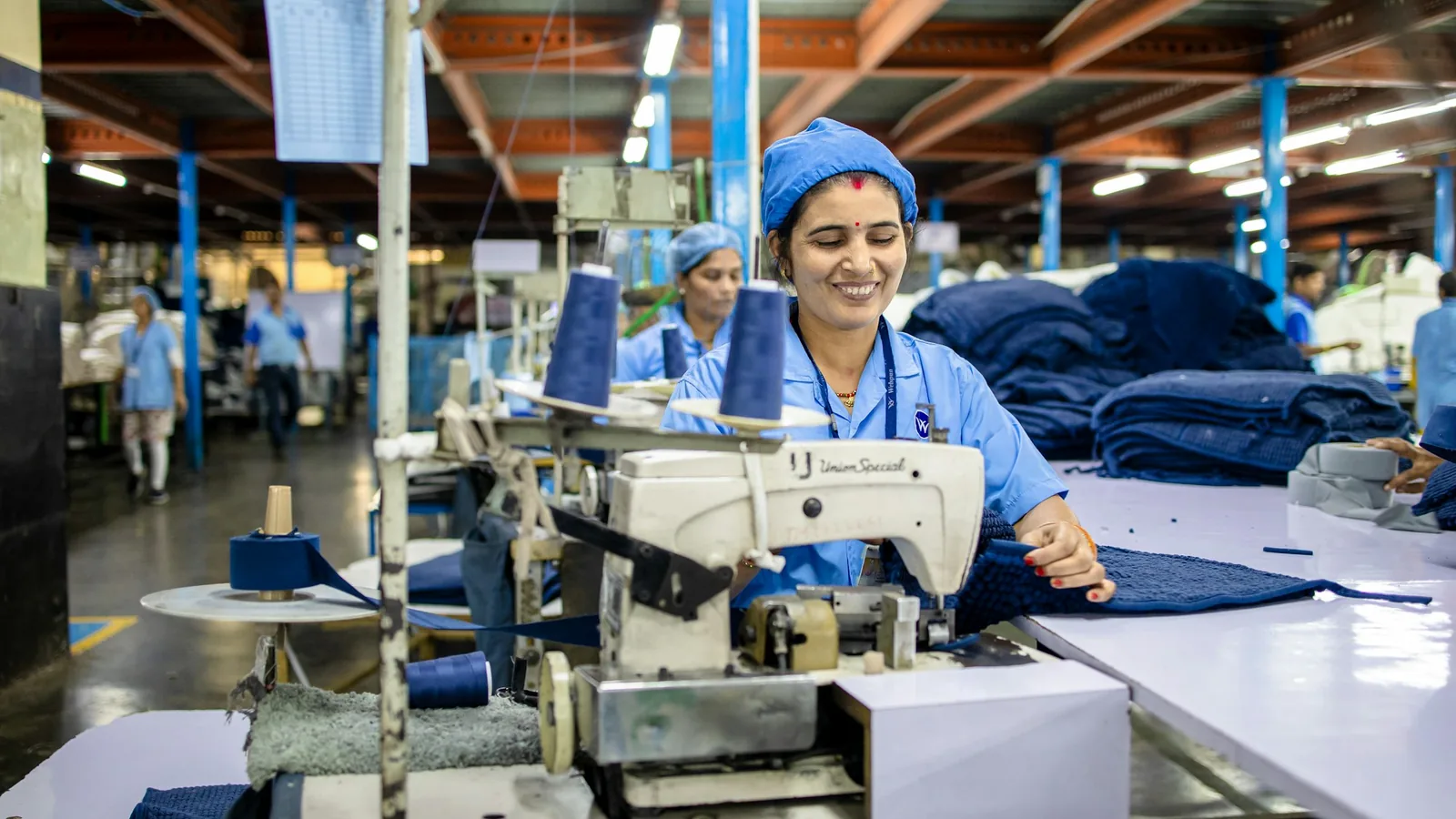
Evaluate athletic-wear partners through activity-specific fabric, movement fit, elastic and seam control, wear tests, claims, and bulk variation.
Athletic-wear supplier evaluation should start with the body, activity, environment, and performance claim. Stretch fabric and flat seams do not automatically create a functional garment. Pattern, support, opacity, recovery, elastic, construction, decoration, and repeated wear must work together. Replace broad rankings with product trials and evidence tied to the final style.
Define the athlete and activity
State sport or training type, intensity, climate, duration, movement, equipment, contact, and care. Describe the wearer, fit, coverage, support, modesty, and size range. A yoga legging, running short, compression top, sports bra, and warm-up jacket require different scorecards.
Rank the product's priorities and write realistic claims. The athletic-wear development page helps turn the use case into style, material, and construction decisions.
Qualify performance fabrics
Request composition, structure, weight, width, stretch and recovery in both directions, opacity, shrinkage, colorfastness, pilling, snag or abrasion behavior, and care. Add product-specific tests for the intended claim. Ask what was tested, by which method, on which color and finish, and after how many care cycles.
Test the finished garment. Seams, heat transfers, prints, panels, and lining can change stretch and moisture behavior. Light colors and high-extension zones need on-body opacity review under relevant lighting.
Engineer fit, support, and movement
Create measurements for relaxed and extended components where needed. Fit on athletes across key sizes and perform the real motion: squat, stride, jump, reach, rotate, or lift. Review ride-up, gaping, rolling, pressure, restriction, bounce or support, seam placement, and recovery after the session.
Grade proportion and support, not only circumference. Elastic length, cup or panel shape, rise, gusset, armhole, and artwork may need size-aware changes. Document the fit model and test conditions.
Specify seams, elastic, and components
Choose seam type, stitch, thread, allowance, reinforcement, binding, elastic, zipper, cord, and labels for extension, strength, and comfort. Test seam stretch and recovery on final fabric. Low-profile construction still needs durable attachment.
For elastics, specify article, width, hand, stretch, recovery, tension, attachment, and finished measurement. Review rolling and pressure after wear and care. The capabilities overview helps organize material, construction, and branding approvals.
Test decoration and color
Define print, transfer, silicone, embroidery, reflective detail, or logo by file, size, color, placement, and process. Test heat, adhesion, stretch, cracking, migration, abrasion, and wash durability. Dense or non-stretch artwork can create a rigid zone.
Approve color across body, mesh, elastic, thread, lining, and trims. Test dark-light combinations and perspiration or rubbing transfer as relevant. Avoid visibility or reflective-performance claims without evidence for the complete product.
Run structured wear testing
| Test record | What to capture | Decision |
|---|---|---|
| Wearer | Relevant measurements and selected size | Fit suitability |
| Session | Activity, environment, duration, intensity | Use-case validity |
| During use | Movement, heat, pressure, coverage, rubbing | Pattern or material change |
| After use | Growth, recovery, odor, damage, appearance | Repeat or revise |
| After care | Measurements, color, seam, artwork, elastic | Care and durability approval |
Use the quality framework to translate test findings into production controls. One athlete and one session are development evidence, not universal proof.
Screen athletic-wear specialization
Ask which product categories, fabrics, seams, support structures, and decoration processes the facility currently handles. Request exact machinery, sample and bulk locations, subcontractors, quality reports, and a paid sample. A supplier strong in loose team jerseys may not suit bonded or high-support products.
Confirm minimums by fabric and color, sample stages, testing, price scope, payment, schedule, commercial terms, and substitution control. Compare equal specifications and size mixes.
Approve the athletic-wear partner
Control bulk material and fit variation
Approve the production fabric lot for article, weight, width, shade, stretch, recovery, shrinkage, opacity, and critical performance evidence before cutting. Test multiple roll positions when variation would affect support or fit. Separate shade lots and identify panels so a garment does not combine visibly different material.
During sewing, monitor seam extension, elastic tension, bindings, openings, and measurements across operators and sizes. A garment can meet relaxed dimensions yet feel different when elastic or stitch tension varies. Include functional checks such as squat, reach, or support on selected first pieces from the actual production line.
After decoration and care, review opacity, growth, recovery, seam comfort, elastic, artwork, color transfer, and appearance. Sample from different cartons, sizes, and production periods. Record actual results rather than pass-only marks so trends appear before they become failures.
For reorders, compare new fabric and elastic lots with retained standards and repeat the tests affected by changes in finish, dye, thread, decoration, or facility. Use athlete complaints and returns as structured data, ride-up, rolling, pressure, transparency, seam failure, not generic dissatisfaction.
Set claim governance before marketing. Keep the exact wording, test method, sample, result, date, and responsible reviewer for statements about moisture, compression, support, cooling, odor, sun, or durability. Explain test scope accurately and avoid extending fabric-level evidence to the complete garment when construction changes performance.
Plan lifecycle checks for core products. A fabric or elastic may remain available under the same name while its construction, finish, or source changes. Compare retained standards, rerun wear and care trials, and update product information when needed. Repeat customers notice small changes in support and fit even when appearance is similar. Document every approved change.
Score use-case execution, material evidence, movement fit, construction, wear tests, quality, communication, timing, and landed cost. Follow the ordering process through size and pre-production approval.
When activity, fit, fabric, tests, quantity, and destination are documented, share the athletic-wear brief. Choose the partner that can substantiate and repeat the product, not the one described as "top" without evidence.
Supplier capabilities, ownership, minimums, locations, and commercial terms change. Treat any comparison as a starting point and verify current details directly before making a purchasing decision.