
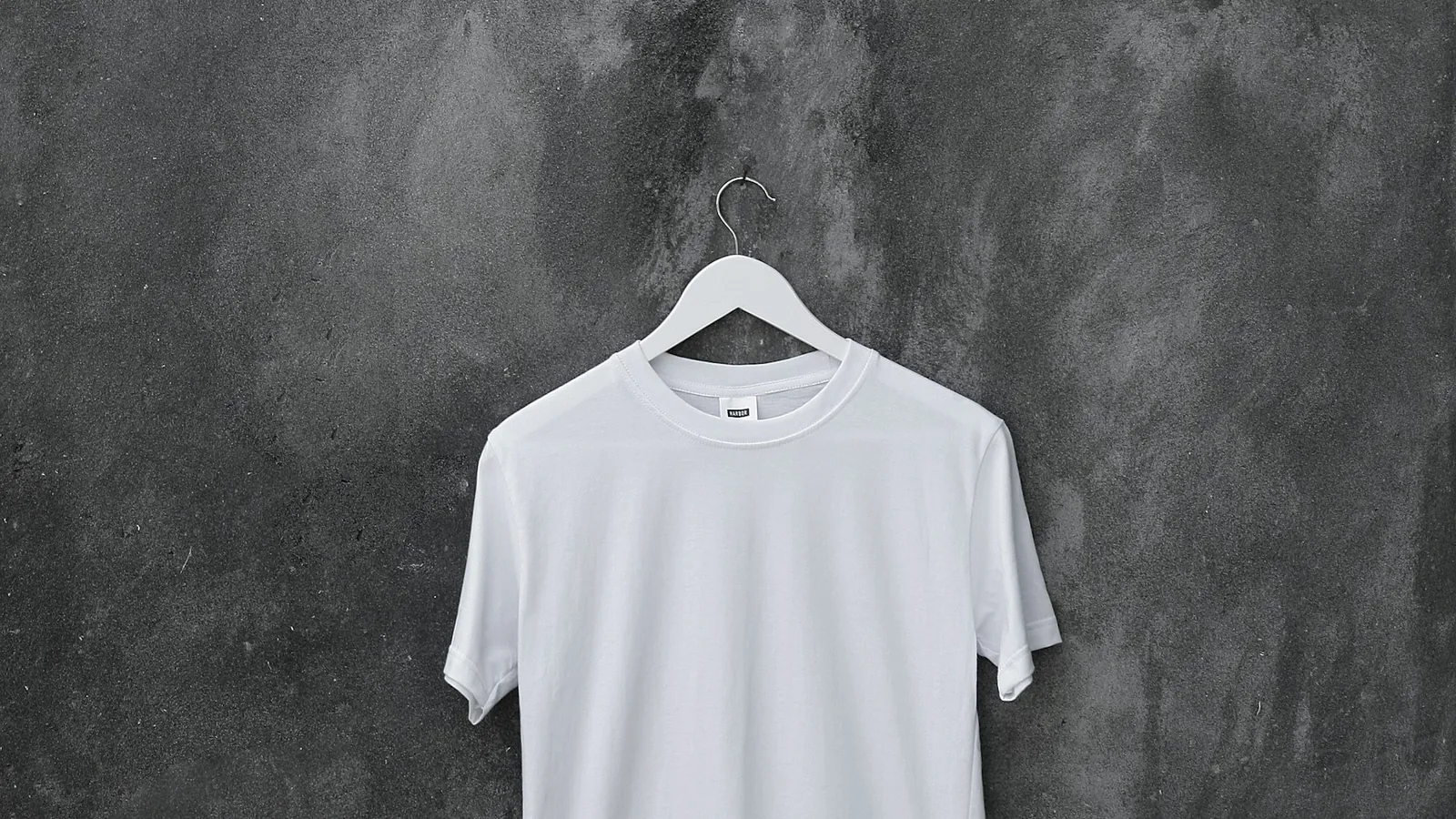
Evaluate U.S. blank T-shirt sources by business role, verified origin, fabric and collar quality, decoration tests, stock continuity, service, and cost.
Searching for blank T-shirt manufacturers in the USA often produces a mixture of brands, wholesalers, distributors, decorators, importers, warehouses, and factories. Those businesses can all be useful, but they do not represent the same supply chain or support the same origin claim.
This guide replaces a fragile top-ten list with ten practical evaluation lenses. It helps a brand choose a blank program, verify whether a product is actually made in the United States, test decoration compatibility, and compare availability and landed economics without ranking companies.
1. Separate manufacturer, brand, and distributor
Ask each candidate to state its role for the exact style. A manufacturer controls or contracts production; a blank brand specifies and markets garments that may be made elsewhere; a distributor resells one or more brands; a decorator adds print or embroidery; and a fulfillment provider stores and ships stock. One organization may perform several roles.
Record the legal seller, product brand, style number, named manufacturing facility, country of origin, inventory owner, shipping location, and party responsible for defects. Do not infer manufacturing from a U.S. office, warehouse, phone number, website domain, or rapid domestic delivery.
2. Define the blank platform
Specify wearer, intended use, silhouette, fit, neckline, sleeve, length, size range, body construction, fabric composition and structure, target weight, surface, colors, labels, care, packaging, annual demand, first order, and required replenishment window.
Decide whether consistency across reorders, a particular origin, recycled or certified material, tear-away labeling, fashion color, low opening quantity, broad size coverage, or decoration performance is essential. Rank requirements because one blank may not optimize all of them.
The T-shirt production page is useful when an existing blank cannot provide the required fit, material, construction, branding, or continuity.
3. Verify U.S. production and origin claims
Request the country-of-origin label and written support for the exact style and color. Identify where yarn or fabric production, dyeing, cutting, sewing, finishing, and substantial assembly occur. Product lines can mix origins, and origin can change by style, lot, color, or availability.
The U.S. Federal Trade Commission explains that an unqualified "Made in USA" claim generally requires the product to be "all or virtually all" made in the United States. Qualified claims must accurately describe the extent or process involved. Review the current FTC Made in USA guidance and obtain qualified advice for claims, labeling, or mixed-country processing.
"Designed in," "printed in," "shipped from," or "American company" does not mean the blank itself was manufactured domestically. Preserve evidence supporting any origin statement used in product pages or advertising.
4. Control fabric, collar, and construction
Record the style's fiber composition, knit structure, GSM or comparable weight, yarn characteristics where relevant, surface, stretch, recovery, opacity, shrinkage, spirality, pilling, colorfastness, finish, body construction, seams, shoulder stabilization, hem, and collar.
Check collar height, opening, rib structure, recovery, attachment, and behavior after washing. Review shoulder, sleeve, body length, width, sweep, grain, seam balance, and measurement tolerance across representative sizes. The fabric guide helps turn a marketing description into a repeatable material record.
Ask how the supplier controls lot variation and announces changes to fabric, fit, factory, dyeing, or construction. A style number alone is not proof that every reorder will match an older sample.
5. Test decoration compatibility
Qualify the exact blank color, lot, and process with intended artwork. Screen print, direct-to-garment, transfer, embroidery, applique, discharge, and specialty inks respond differently to fabric composition, surface, dye, coating, stretch, and pre-treatment.
Approve artwork version, dimensions, placement, colors, underbase, ink or thread, curing, hand, backing, and appearance. Test wash durability, cracking, migration, crocking, shrink interaction, puckering, and needle damage. Dark or highly saturated colors may require specific migration controls.
Use the printing-options guide to document the decoration approval rather than accepting a generic compatibility statement.
6. Sample fit, wash, and lot variation
Order representative sizes and every high-risk color. Measure before care, fit on intended wearers, decorate production-intent samples, and wash and dry for repeated cycles according to the proposed instruction. Re-measure and inspect body twist, shrinkage, collar, seams, surface, shade, print, and overall hand.
- Record supplier, brand, style, color, size, lot, purchase date, and origin label.
- Photograph and measure the blank before decoration and care.
- Run the intended decoration under production settings.
- Complete wear and repeated wash tests.
- Seal a reference sample and retain results for reorder comparison.
When inventory comes from a new lot or origin, repeat the affected checks before decorating a large quantity.
7. Evaluate color, size, and stock depth
Review actual availability by style, color, size, warehouse, and date. A large color card has little value if core sizes are frequently unavailable. Ask for stock-feed options, backorder rules, discontinuation notice, restock dates, reservations, split shipments, substitutes, and access during seasonal demand.
Model the brand's size and color mix rather than assuming equal demand. Confirm whether extended sizes use the same construction, shade, price, and country of origin. Define which substitutions are permitted; an unapproved "equivalent" blank can change fit and decoration performance.
8-9. Compare service and program economics
Separate opening-order minimum, case pack, per-color or per-size increments, account requirements, price tiers, custom-label minimums, freight thresholds, and return restrictions. A distributor may offer mixed small quantities and multiple brands; a direct program may provide better control at a higher commitment.
Test ordering accuracy, picking, packing, delivery time, documentation, shortage handling, returns, and defect resolution with a small paid order. Confirm who bears the cost if blanks fail during approved decoration and how claims must be documented.
Compare the same style requirements, sizes, colors, quantities, labels, packaging, delivery point, and service level. Include blank cost, case and size surcharges, inbound freight, rush fees, decoration setup and spoilage, testing, relabeling, storage, pick and pack, defects, returns, shortages, and replacement shipping.
Domestic stock can shorten replenishment but does not prove domestic manufacture. U.S. manufacturing may support an origin strategy but still needs verified capacity, material continuity, quality, price, and delivery evidence. Evaluate the complete program rather than treating one attribute as the outcome.
10. Score quality, continuity, and evidence
Weight fit, fabric and collar performance, decoration results, verified origin, lot consistency, color and size depth, stock reliability, service, total cost, documentation, defect handling, and change notice. Keep the supporting sample, invoice, lot record, label image, test result, and correspondence with each score.
Use the quality framework for incoming checks before decoration. Inspect style, color, size, quantity, visible defects, measurements, shade, origin labels, and lot consistency. Segregate questionable stock until a disposition is agreed.
The right U.S. blank T-shirt source is the program that meets the brand's controlled product and replenishment needs with truthful, supportable claims. Re-evaluate when a style, factory, fabric, origin, dye lot, distributor, or inventory policy changes.
Supplier capabilities, ownership, minimums, locations, and commercial terms change. Treat any comparison as a starting point and verify current details directly before making a purchasing decision.