
Plan a denim label from fit and fabric through wash development, trims, sampling, costing, quality control, launch, and reorders.
Starting a denim line means developing a product that changes across fit, fabric, wash, construction, and wear. Small differences in rise, leg shape, stretch, shrinkage, pocket placement, or wash can alter the entire impression. A successful launch therefore begins with a focused fit idea and an approval process that controls those variables.
This guide follows the decisions from market position through bulk production. It applies to jeans-led labels and to brands adding a first denim capsule.
Define the denim customer and point of view
Identify the wearer, use, fit frustration, price expectation, and styling context. "Vintage denim" is too broad to guide development. A clearer direction might be a rigid high-rise straight jean with a clean dark rinse for work and travel, or a relaxed low-rise jean with an intentionally worn surface for a youth fashion customer.
Study competing products physically where possible. Record garment measurements, fabric composition, weight, stretch, wash character, hardware, pocket shape, label system, retail price, and customer feedback. Do not copy a competitor's pattern or protected details; use the review to understand the market standard and the opportunity to differ.
Build a focused style architecture
A first denim range does not need every fit. Choose one or two base blocks that express the brand, then create controlled variations through leg shape, length, color, or finish. Too many fits multiply patterns, grading, samples, fabric commitments, wash trials, and inventory by size.
| Decision | Examples | Why it matters |
|---|---|---|
| Rise | Low, mid, high | Changes balance, comfort, waistband position, and styling |
| Seat and thigh | Close, regular, relaxed | Controls mobility, drag lines, and silhouette |
| Leg | Straight, tapered, bootcut, wide | Defines the visual identity and hem behavior |
| Length | Cropped, regular, stacked | Affects break, customer height coverage, and stock |
| Construction | Five-pocket, carpenter, pull-on, paneled | Changes equipment, labor, trims, and function |
The custom jeans guide can help structure fit, material, wash, trim, and buyer-brief decisions for each style.
Select denim for the intended fit
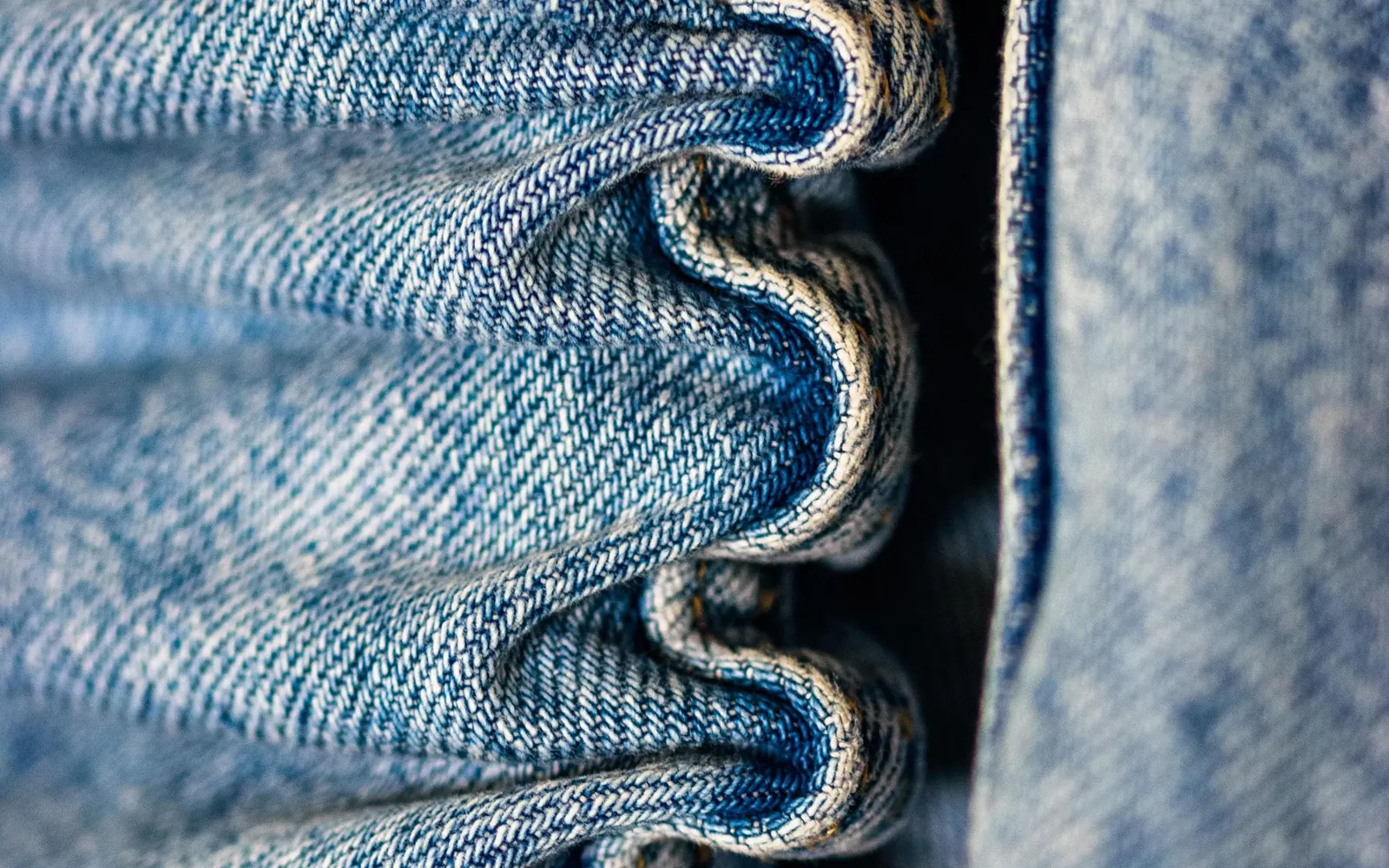
Specify composition, woven structure, weight, usable width, color, stretch and recovery, skew, shrinkage, surface, and wash route. Rigid cotton denim supports a different silhouette and break-in experience from comfort-stretch or high-stretch denim. Neither is automatically better.
- Rigid denim: assess initial stiffness, shrinkage, torque, seam bulk, and how the fit changes with wear.
- Comfort stretch: confirm stretch direction and recovery after movement and laundering.
- High stretch: examine opacity, growth, knee bagging, heat, and elastane durability.
- Light denim or chambray-like options: review drape, seam show-through, durability, and pocket support.
Wash development can change measurements, shade, hand, strength, and stretch. Approve fabric and wash as one product system, not as separate aesthetic decisions. The garment washing guide explains the importance of a physical finish reference and controlled variation.
Develop the base pattern and fit
Create a measurement chart with a clear method for waist, hip, front and back rise, thigh, knee, hem, inseam, and outseam. Identify whether measurements are taken aligned, relaxed, stretched, or along a curve. A small difference in measurement technique can look like a production error when teams are using different methods.
Fit the unwashed or development garment as appropriate, then fit the intended washed state. Evaluate standing, sitting, walking, stairs, deep flexion, pocket access, waistband gaping, zipper or fly function, and pressure at seams. Wear the sample long enough to observe growth, especially in stretch denim.
Grade for proportion, not only circumference
Review rise, pocket position, yoke, knee, and leg shape across representative sizes. A back pocket that looks balanced on the base size may drift or appear too small after a simple grade. Validate the intended size range with physical samples at key points rather than approving every size from a spreadsheet.
Develop washes with controlled references
Describe wash direction with a physical garment or approved panel as well as words. Record base denim, wet and dry processes, target shade, contrast, hand, whisker or abrasion placement, allowable variation, and post-wash measurements. Design effects around seam and pocket positions so placement can be repeated.
Strong fading or abrasion can reduce fabric strength. Stretch material can lose recovery under unsuitable processing. Hardware can corrode or mark the garment. Test the exact combination, and do not approve a visual effect without reviewing strength, fit, shade transfer, and care.
When multiple washes share one block, treat each as its own fit risk. Different processes can create different shrinkage and hand, so the pattern or process may require adjustment.
Specify construction, trims, and branding
Document seam type, stitch count or appearance, thread color and ticket, bartacks, rivets, button, zip, pocketing, waistband construction, belt loops, hem, patch, labels, hangtags, and packaging. Confirm hardware finish after washing and assess attachment strength.
Brand details should suit wear and care. A large rigid patch can affect comfort; an exposed metal trim can create damage; an internal label can irritate. Plan the complete system with the labels and packaging guide and approve placement on the final washed sample.
Sample, test, and set the standard
- Approve the base fabric and document its lot or article reference.
- Develop the pattern and first fit before chasing a final fashion wash.
- Create wash trials, measure dimensional change, and inspect strength.
- Fit and wear-test the finished sample, including loaded pockets.
- Approve one sealed garment with final trims, labels, and packing details.
Set tolerances for critical measurements and visible variation. Denim does not need to look chemically identical piece to piece, especially with hand-applied effects, but "natural variation" should still have an approved range. Use the quality framework to connect the sealed sample with in-line and final checks.
Build the commercial plan
Cost fabric, wash development, patterns, samples, wash process, thread, hardware, labels, packing, inspection, freight, duties, warehousing, returns, and marketing. Denim can carry development and trim minimums beyond the garment quantity. Ask which components drive the practical minimum and whether colors or sizes can share a run.
For a first launch, a lower-volume route may reduce finished inventory, but custom fabric, dye lots, hardware, and wash setup can still require commitments. Simplify the range before compromising the hero fit.
Launch, learn, and plan reorders
Publish garment measurements, model measurements, fabric composition, stretch description, wash character, care, and expected variation. Photograph the actual production finish in useful light. Train customer service to explain fit using measurements rather than only recommending a usual size.
Track returns by fit reason, size sell-through, wash feedback, hardware issues, and how the fabric changes with use. Keep approved records so a reorder can be compared with the first production. A denim line becomes durable when its fit platform improves from evidence and its wash standards can be repeated intentionally.