
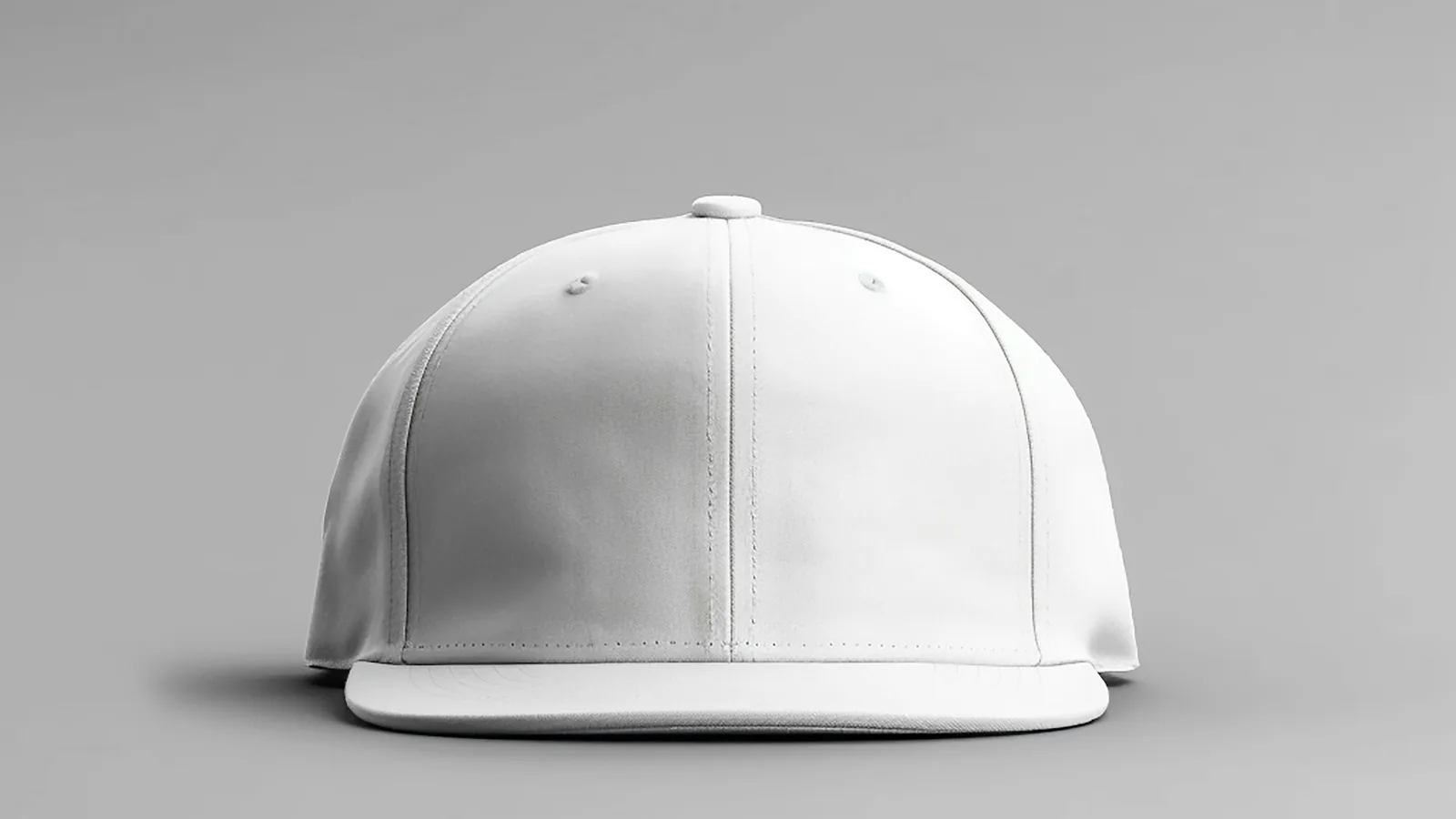
Build a hat business around a focused construction, tested fit, specified components, suitable decoration, and disciplined inventory.
Starting a hat business works best when the first product has a specific wearer, use, fit promise, and visual identity. "Custom caps" is a manufacturing category, not a business position. A brand still needs to decide which headwear construction it can own, how sizing will work, what decoration the material can support, how the product will be tested, and how many variants the opening inventory can carry.
Define the customer and hat use
Choose the occasion before the silhouette. A running cap, team cap, work hat, fashion bucket, winter beanie, sun hat, and premium lifestyle cap solve different problems. Describe climate, activity, hair and head-fit needs, expected care, branding preference, and what the customer wears with it.
Interview likely buyers using physical references. Ask which hats they wear repeatedly, where pressure occurs, whether depth feels right, how they use the closure, what makes a brim look wrong, and why other hats remain unworn. Fit language is difficult without a sample, so observe how people adjust and position the product.
Select a focused opening style
Begin with one construction that expresses the brand and can be fitted thoroughly. A structured multi-panel cap, unstructured cap, trucker, five-panel, bucket hat, or beanie requires its own pattern, components, machinery, and fit logic. Changing panel count is not a cosmetic variation.
| Style direction | Key development decisions | Common watchpoint |
|---|---|---|
| Structured cap | Panel shape, support, crown depth, brim, closure | Front stiffness and pressure around the head |
| Unstructured cap | Soft crown, seam finish, sweatband, washed character | Collapse, seam bulk, and inconsistent finished shape |
| Five-panel cap | Front panel proportion, side shape, strap and eyelets | Artwork distortion and shallow or excessive depth |
| Bucket hat | Crown, brim angle and width, lining, topstitching | Brim waviness, reversible construction, and size |
| Beanie | Knit structure, yarn, cuff, height, stretch and recovery | Growth, itch, seam shape, and one-size assumptions |
Compare the custom hat and bucket hat product directions, then document why the selected style belongs in the customer's routine.
Develop fit and sizing
One-size labeling does not remove fit work. Record the target head circumference range, crown depth, opening, front height, panel proportions, brim length and curve, and closure adjustment. Define how every point is measured. For fitted hats, develop a size system with clear increments; for adjustable hats, test the product across the claimed range.
Fit on different head shapes, hairstyles, and intended wear positions. Check pressure, movement, ear interaction, visibility, closure comfort, and whether the sweatband stays level. For a bucket hat, test brim behavior and sight line. For active use, add movement, wind, and perspiration trials. Photograph profile, front, back, and top at each test size.
Do not resize only by changing the rear opening. Panel shape, crown height, brim proportion, sweatband, and artwork may need coordinated changes.
Specify materials and components
The shell, support, lining or mesh, sweatband, brim insert, closure, thread, eyelets, labels, and decoration form one system. Specify fiber, construction, weight, finish, color, and performance requirements. Evaluate shape, breathability, abrasion, colorfastness, shrinkage, and care as relevant to the use.
Closures need exact material, width, adjustment range, hardware finish, and attachment. Brim inserts need thickness, flexibility, shape memory, and care compatibility. Metal components, coatings, or special claims may create additional requirements in the selling market. Confirm them before approving the bill of materials.
The capabilities overview can help map sourcing, sampling, decoration, labeling, and packing decisions.
Design decoration for the hat
Artwork must respect curved surfaces, panel seams, support, and wear. Embroidery stitch count, density, backing, thread, and hooping can change the crown. A patch needs material, edge, attachment, and curvature. Print or transfer needs compatible heat and adhesion. Make the artwork at final size on the nominated construction.
- Measure placement from stable panel or seam references.
- Check whether artwork crosses a seam or ventilation area.
- View the hat on a head, not only laid flat.
- Test front, side, back, and under-brim branding as separate zones.
- Confirm that decoration does not create uncomfortable interior bulk.
Build the cost and inventory plan
Cost can include pattern or block work, samples, shell and supporting materials, brim, sweatband, closure, decoration setup and application, labels, finishing, individual packing, cartons, inspection, and logistics. Separate development from recurring unit cost.
Limit opening variants. Every shell color, closure finish, artwork, and size can introduce separate material minimums and stock. A focused core style with controlled color can produce clearer demand evidence than many shallow variants. Model landed cost, expected selling expenses, returns, and contribution before setting the retail price.
Test and approve the hat
Measure the sample, conduct fit and wear trials, and follow the intended care process. Review shape, panel symmetry, brim curve, closure operation, sweatband, seam comfort, color, decoration, and labels. Test packing to ensure the product arrives without crushing or unwanted creasing.
Set tolerances and visual standards in the quality plan. Keep an approved physical hat and signed material or color standards. If the design uses a wash or intentionally varied finish, document the acceptable range with several references rather than one perfect sample.
Launch with a clear hat story
Photograph the hat from all angles and on several relevant wearers. Provide fit range, closure, crown direction, brim dimensions, materials, care, and delivery information. Show how it looks with the clothing and activities it was designed for. Build launch content around fit, construction, artwork, and use rather than generic lifestyle imagery.
Follow a controlled ordering process through development and pre-production approval. When the wearer, construction, quantity, and decoration are clear, share the hat brief. A durable hat business begins with a product people reach for repeatedly, then uses that fit and construction evidence to extend the range.