
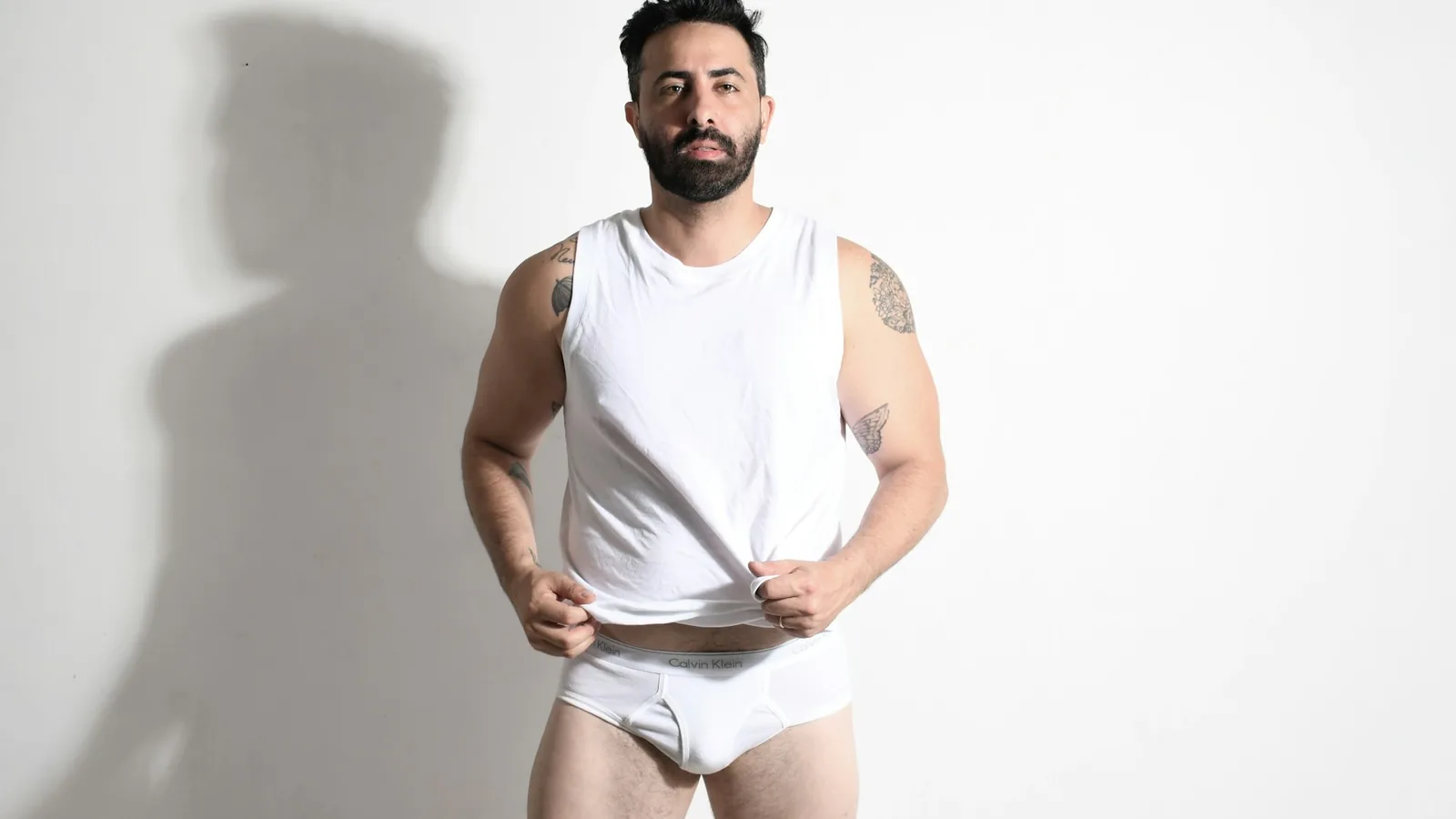
Plan an underwear line around a focused range, material and elastic behavior, multi-size fit, wear testing, labeling, and inventory.
Creating an underwear line requires more fit discipline than choosing colors and adding a waistband logo. Close-to-body products expose small pattern, seam, elastic, and material errors quickly. A successful development process begins with a specific wearer and use, narrows the opening assortment, builds a measurement and wear-test system, and confirms labeling and product requirements for every selling market.
Define the wearer and use case
Choose a focused problem to solve. Everyday comfort, low-profile workwear, support for training, adaptive dressing, maternity use, premium natural materials, and fashion-led sets require different patterns and components. Describe the wearer, activities, climate, clothing worn over the product, desired support or coverage, and care expectations.
Interview people in the intended segment about products they already own. Ask where waistbands roll, legs ride, seams show, fabric holds heat, support fails, or sizing becomes confusing. Do not ask only whether they like a concept. Record recent purchases, repeat-buy reasons, and products they stopped wearing.
Plan a disciplined opening range
Each style-color-size combination creates inventory. Begin with enough choice to express the promise but not so much that fit and demand evidence disappear inside a large SKU count. Define a hero style, one logical alternative, and deliberately postponed extensions.
| Range decision | Questions to answer | Evidence |
|---|---|---|
| Silhouette | What coverage, rise, support, and leg shape solve the use case? | Wearer interviews and competitor fit review |
| Material | What stretch, recovery, opacity, hand, and care are required? | Swatches, test data, and sewn trials |
| Size range | Which bodies must the pattern and grade serve at launch? | Target-customer measurements and multi-size fits |
| Color | Which shades are core, visible under clothing, or seasonal? | Customer use and inventory plan |
Review possible category directions on the custom underwear page, then keep the technical work focused on the selected launch products.
Engineer materials and elastics
The body fabric, lining or gusset, waistband, leg elastic, thread, labels, and decoration must work together. Fiber content is only a starting point. Record knit construction, weight, stretch and recovery in both directions, growth, shrinkage, opacity, pilling, colorfastness, hand, and care. Test light colors on the body under realistic lighting.
Elastics need width, composition, stretch behavior, recovery, hand, attachment method, and approved tension. A soft elastic can still roll or lose recovery; a firm one can mark the body. Test the sewn circumference, not only the trim in isolation. Confirm whether the waistband is exposed, encased, folded, printed, jacquard, or branded through another method.
Seams affect comfort and visibility. Compare seam types, thread, bulk, placement, and stretch. A technically flat seam may still rub if it crosses a high-motion area. Labels should provide required information without creating irritation; consider placement and construction during sampling rather than after the fit is approved.
Build fit and grading evidence
Create clear garment measurements and measurement methods. Define rise, waist, hip, leg opening, front and back coverage, gusset dimensions, and style-specific points. State whether elastic measurements are relaxed or extended. Connect each dimension to pattern shape and material stretch.
Fit on people representing more than the base size. Review the smallest, middle, and largest planned sizes, and add intermediate checks where the grade changes noticeably. Use movement relevant to the product: walking, sitting, bending, training, and wearing it under common outer garments. Collect structured feedback after several hours rather than relying only on a fitting-room view.
- Does the waistband remain level and comfortable?
- Do leg openings stay in place without cutting in?
- Does the gusset sit correctly through movement?
- Do seams, labels, or decoration rub?
- Does the fabric recover after extended wear and care?
The garment measurement guide provides a framework for POMs, tolerances, and revision control.
Test the complete product
Measure before and after the proposed care cycle. Review dimensional change, elastic recovery, seam strength and stretch, pilling, color change, rubbing transfer, decoration durability, and appearance. Wear-test repeated samples rather than one carefully handled prototype.
Define hygiene-safe sample handling and a clear return policy for worn products before launch. For any performance, antimicrobial, or other special claim, obtain appropriate substantiation and ensure the claim accurately describes the finished product. Do not inherit a claim from a generic fabric marketing sheet without confirming scope and durability.
Place checks in the quality plan, including component approvals, in-line construction points, finished measurements, appearance, labeling, and packing.
Confirm labeling and market requirements
Requirements depend on product and destination. For products sold in the United States, the Federal Trade Commission provides official guidance on textile and wool labeling and the Care Labeling Rule. These resources address areas such as fiber content, origin, responsible business identity, and care for covered products. Other markets have their own rules.
Treat regulatory review as a product-development input, not a label task at the end. Confirm language, placement, permanence, packaging, product claims, and any category-specific requirements with qualified advice for the markets in scope.
Model cost and inventory
Build cost from body and lining consumption, elastic, thread, labels, decoration, cutting, sewing, finishing, testing, individual packing, and development. Add landed and selling costs. Separate one-time pattern, sampling, and setup work from recurring units.
Size depth matters as much as total quantity. Use customer evidence to set the opening curve, then protect cash for replenishment or fit corrections. A preorder or tightly focused first release can gather demand signals, but communicate timing honestly and avoid treating paid customers as unstructured fit testers.
Prepare an underwear development brief
Include wearer and use, silhouettes, fit intent, size range, garment measurements, fabric and elastic specifications, seam map, color, artwork, labels, care, testing, quantity, destination, and timeline. Mark must-haves and areas open to development alternatives. Follow the ordering process through sample and pre-production approval.
When the range and fit-test plan are defined, share the underwear brief. The strongest foundation for this category is not a large opening collection; it is one well-resolved product whose comfort, fit, information, and repeatability earn a second purchase.