
Use Alibaba to source clothing with a risk-controlled workflow for supplier verification, samples, contracts, payments, inspections, IP, and shipping.
Alibaba can help buyers discover clothing suppliers, but a profile, badge, response rate, or platform history is not a substitute for product verification and a clear contract. Listings may represent factories, trading companies, agents, or groups using several production sites. The safest workflow assumes every important claim needs independent evidence.
This guide explains how to use the platform without endorsing individual suppliers: prepare a controlled request, verify identity and factory role, approve samples, protect specifications and intellectual property, keep payment within agreed safeguards, inspect production, and document origin.
Prepare the brief before searching
Define product, material, construction, measurements, colors, artwork, labels, packaging, size/color quantity, testing, destination, target date, and trade term. Upload only the information needed for an initial quotation and watermark or version-control sensitive artwork.
Use the ordering-process guide to identify approval gates. A precise request makes supplier answers comparable and exposes candidates that quote without reading.
- Ask candidates to restate the product and open decisions.
- Use one quantity and delivery basis for the first comparison.
- Separate sample price from bulk price.
- Do not lead with the lowest target price; first establish scope.
Screen the profile without trusting it alone
Review legal company name, business type, main categories, years shown, verification documents, transaction history, reviews, factory media, and response quality. Treat each as a lead, not proof. A photo can be old or borrowed; a category list can be broader than actual machinery; reviews may describe another product.
Ask whether the company is a factory, trader, or agent; which facility will make your style; which processes are in-house; and which legal entity will contract and receive payment. Shortlist only candidates willing to answer specifically.
Verify identity, factory, and bank
Request business licence, Chinese legal name where applicable, unified social credit code, registered and factory addresses, legal representative, export entity, and beneficiary account. For a mainland Chinese entity, compare information with the official National Enterprise Credit Information Publicity System, using qualified language or legal support as needed.
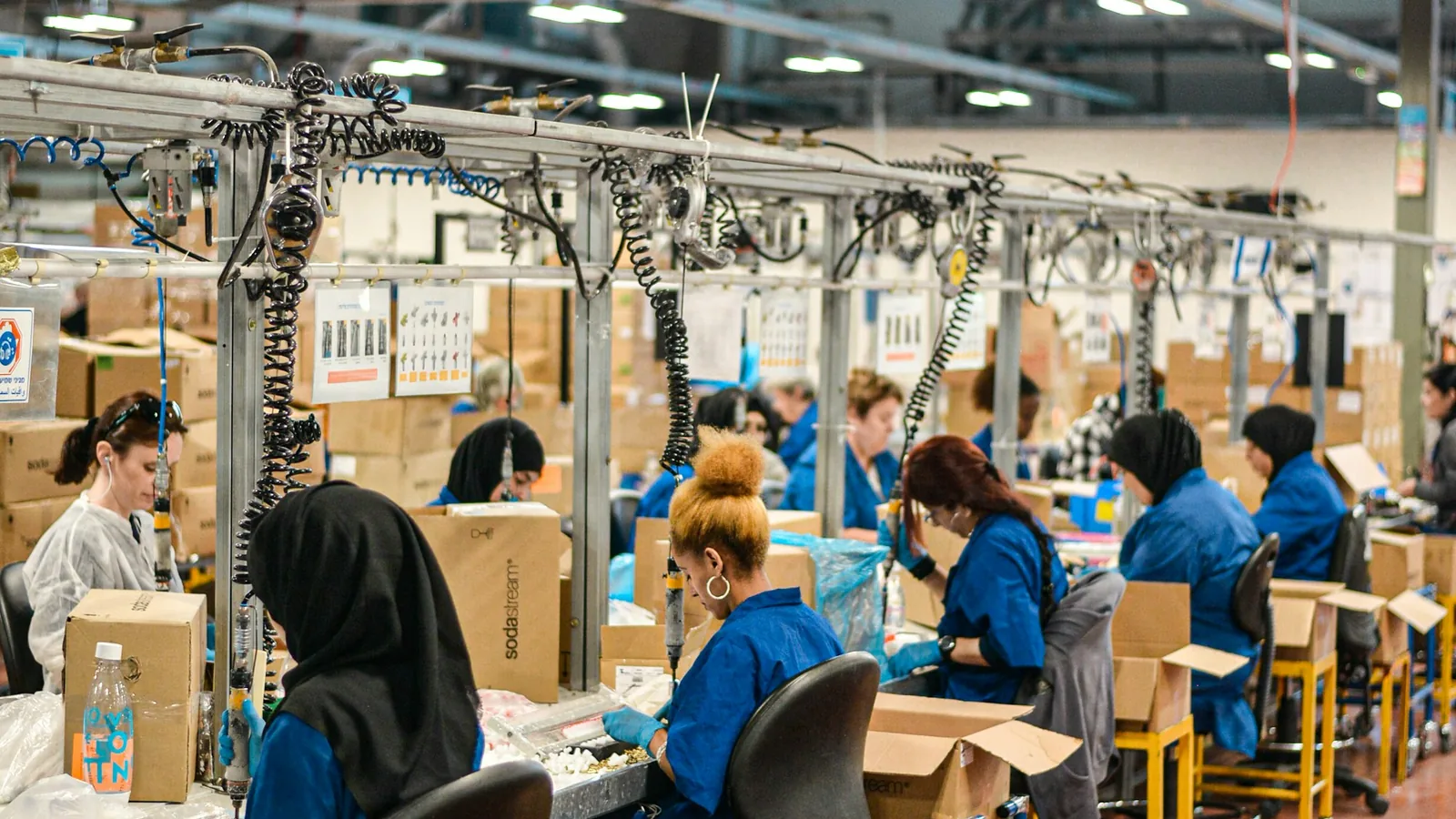
Commission an independent audit or conduct a live walkthrough that follows material storage, cutting, sewing, decoration, finishing, inspection, packing, and warehouse. Ask the operator to show a current order with confidential details hidden. Verify subcontractors and obtain written approval rights for changes.
Independently recheck any beneficiary change using a known contact. Do not pay an individual or unrelated entity because a chat message requests it.
Order samples in controlled stages
Begin with material swatches or a simple capability sample if appropriate, then move to a product sample with production-intent inputs. Record every version. Do not treat a couriered sample as proof that the same facility made it or that bulk materials are reserved.
- Approve material articles and colors.
- Fit and measure the first product sample.
- Send one consolidated, numbered revision document.
- Validate critical sizes, artwork, and components.
- Seal a final pre-production sample and specification.
The fabric guide helps replace "same quality" with composition, construction, GSM, stretch, finish, and test evidence.
Write the platform order like a contract
The online order, purchase contract, and attachments should identify legal parties, product files, approved samples, material articles, quantities, price, currency, incoterm, delivery date, testing, inspection, substitutions, subcontracting, labels, packaging, intellectual property, confidentiality, defect remedies, and dispute terms.
Alibaba's official Trade Assurance page explains that protection is connected to the order placed and paid through its platform. Read the current program rules and ensure measurable quality and shipment requirements appear in the protected order rather than only in external chat or a vague pro forma invoice.
Protect artwork and intellectual property
Share staged information, restrict permitted use, and identify ownership of artwork, patterns, tech packs, molds, print screens, and custom components. Use agreements reviewed for relevant jurisdictions and specify that files and overruns cannot be used, sold, displayed, or transferred beyond the order.
Register key rights in relevant markets when appropriate and understand that a nondisclosure agreement does not replace registration or practical access control. Keep file logs and remove supplier access when the relationship ends.
Control payment, production, and inspection
Use the payment method and beneficiary shown in the verified protected order. Align deposits and balances with material approval, pre-production sample, production progress, and inspection. Never bypass controls solely for a discount or claimed emergency.
Set incoming, pre-production, in-line, final, and loading checks based on risk. Hire an independent inspector when internal presence is not possible. The quality framework helps define measurements, workmanship, tests, quantity, assortment, labels, and packing.
Determine origin, shipping, and import cost
Record where material, cutting, sewing, decoration, and substantial assembly occur. A platform seller's country or port of shipment does not prove country of origin. Ask a qualified customs professional to determine classification, origin, marking, duties, import documents, and any product restrictions for the destination.
Compare landed cost including samples, testing, inspection, freight, insurance, duty, tax, brokerage, payment fees, delay, and defects. Clarify incoterms and who controls export and import steps.
Use a red-flag and evidence log
| Red flag | Response |
|---|---|
| Price far below a normalized specification | Reconfirm material, construction, exclusions, and quantity |
| Refusal to name or show the factory | Pause until the production route is independently verified |
| Changed bank account or individual beneficiary | Stop and reverify through known official contacts |
| Pressure to move payment off platform | Review protection loss and do not proceed on urgency |
| Certificates with mismatched site, scope, or article | Verify with issuer and request order-specific evidence |
| Bulk substitution described as "equivalent" | Require swatch, tests, price impact, and written approval |
Record licences, audits, samples, approvals, reports, contracts, payments, inspections, and shipping documents. A platform is a discovery and transaction tool; the buying system still has to make identity, product, and responsibility visible.
Supplier capabilities, ownership, minimums, locations, and commercial terms change. Treat any comparison as a starting point and verify current details directly before making a purchasing decision.