
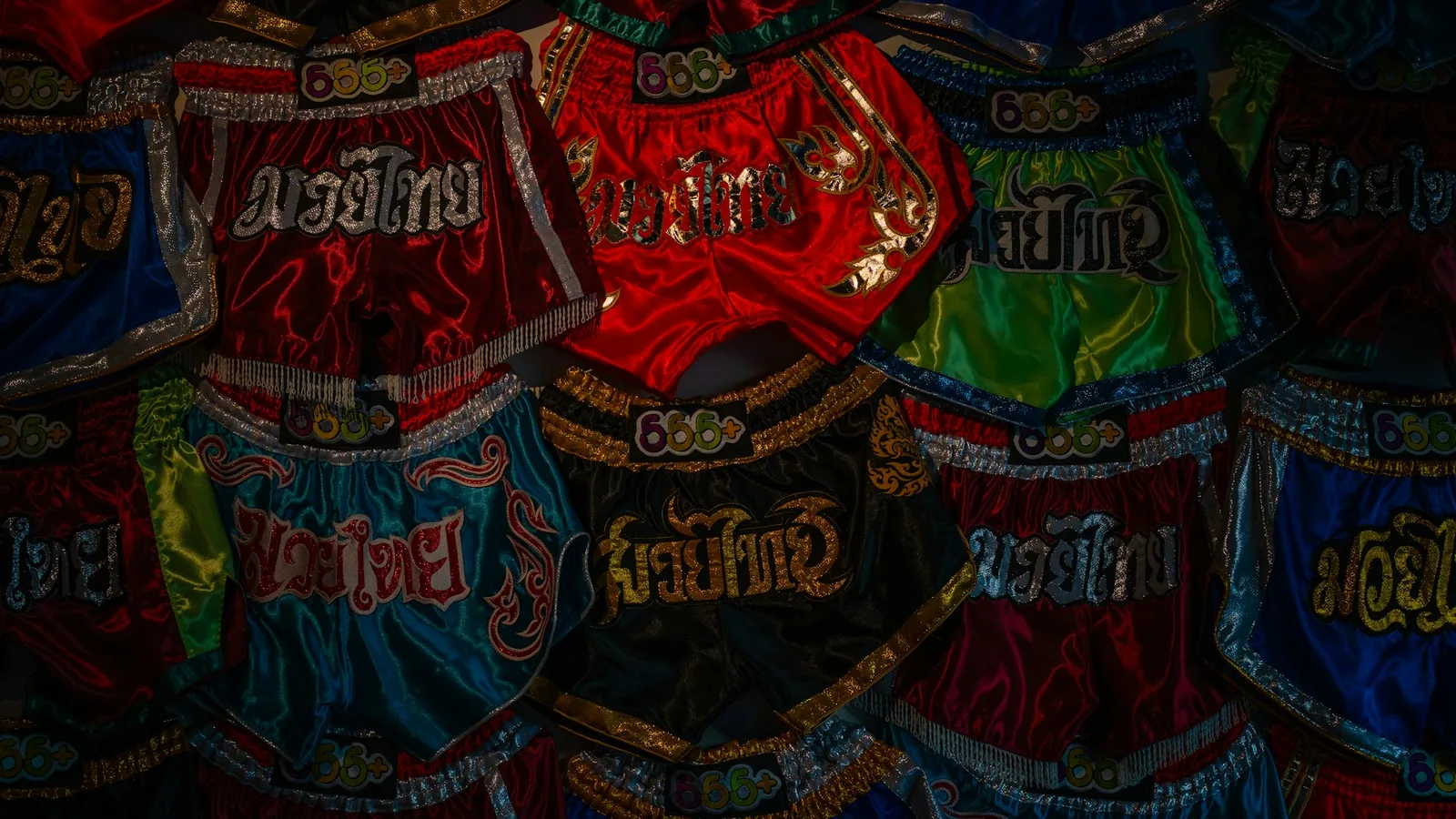
Compare shorts suppliers by use, shell and liner materials, fit, movement, pockets, construction, quality controls, schedule, and total cost.
Shorts factories should be compared by the category they can control, not by a generic top-ten position. Tailored shorts, denim, running shells, lined gym shorts, compression styles, boardshorts, and cargo products use different materials and operations. The sourcing process below keeps fit, movement, components, and price tied to a written brief.
Segment the project by shorts construction
List each style with use, fit, rise, inseam, waistband, material, liner, pockets, hem, decoration, sizes, colors, quantity, and destination. Group styles by production method. A woven shell with a stretch liner may require sourcing and sewing capabilities different from fleece shorts or tailored chinos.
Prioritize the most technical style in supplier screening. A factory that demonstrates the liner, bonded pocket, or stretch seam required by that product is more relevant than one showing unrelated casual garments.
Screen development and construction capability
| Area | Evidence to request | Failure to avoid |
|---|---|---|
| Patterns | Base block, rise and leg measurements, grade rules | Length changed without rebalancing fit |
| Waist | Elastic ratio, fly, drawcord, closure and recovery | Rolling, slipping, or twisting |
| Liner | Material, gusset, seams, attachment and pocket | Ride-up, opacity, or abrasion |
| Pockets | Object test, bag map, reinforcement and closure | Bounce, gape, or contents escaping |
| Seams | Stitch map, extension and stress reinforcement | Broken seams during movement |
| Finishing | Wash, print, transfer or embroidery approval | Dimensional or surface change |
Ask which cutting, sewing, elastic, bonding, printing, washing, and packing operations are in-house. Request permission-cleared examples in comparable materials.
Compare materials through data and movement
Record construction, fiber, weight, stretch, recovery, drape, opacity, shrinkage, pilling, snagging, colorfastness, and care. For a two-in-one short, evaluate shell and liner separately and assembled. If water, UV, quick-dry, or compression claims are planned, require a named test and applicable evidence.
Fit-test walking, sitting, stairs, squatting, lunging, and the intended sport. Check rise, inseam, inner-leg movement, side split, leg opening, waistband stability, liner coverage, pocket load, and hem behavior. Review representative sizes, not only the base.
Approve waistband, liner, pockets, and trims
Create a bill of materials with elastic, drawcord, cord ends, eyelets, zipper, mesh, pocketing, liner, labels, and thread. Record stock or custom status and minimums. Drawcord safety, hardware surface, and skin-contact comfort should suit the user and market.
Approve pocket capacity using the intended object during movement. A phone pocket may need to remain functionally constant across sizes while its placement shifts. Inspect bar tacks or reinforcement on the actual fabric so dense stitches do not damage a light shell.
Audit measurement, movement, and care quality
Set critical measurements and tolerances for waist, rise, hip, thigh, inseam, outseam, leg opening, liner, pockets, and splits. Quality reports should include shade, symmetry, seam extension, elastic recovery, reinforcement, artwork, labels, assortment, and packing.
Wash-test the full product and remeasure it. Shell, lining, elastic, cord, print, and thread can change differently. Define remedies for failures and whether independent inspection is accepted before shipment.
Verify the supplier and schedule
Confirm legal business identity, actual production address, subcontractors, material source, sample ownership, and inspection access. Build the schedule from material approval, fit sample, size set, decoration test, pre-production sample, bulk cutting, sewing, inspection, and dispatch. A fast promise before those inputs are known is not a production plan.
Normalize quotes and shortlist evidence
Compare the same specification, currency, Incoterm, material, development, setup, MOQ basis, color minimum, liner, pockets, trims, labels, packing, testing, inspection, freight, payment, and change terms. Score candidates by product match, sample outcome, material and fit control, quality, communication, schedule, and total cost.
Test the intended activity and carried items
A standing fitting cannot confirm a short. Test sitting, squatting, lunging, running, cycling, jumping, or casual movement as appropriate. Record waistband movement, rise comfort, thigh restriction, liner coverage, hem migration, split opening, chafing, opacity, ventilation, and whether the shell clings when damp. Use the phone, key, wallet, or ball the pockets are designed to hold.
For lined styles, review shell and liner measurements separately and together. Check whether leg openings expose the liner as intended, whether elastic or grip affects circulation, and whether internal seams contact sensitive areas. Drawcord length, exit, end finish, and entanglement considerations should match the wearer and destination requirements.
Control the first production by lot and size
Before cutting bulk, confirm fabric relaxation, shade grouping, print direction, shrinkage allowance, and marker assumptions. In production, measure critical points across sizes and inspect pocket reinforcement, elastic joining, gussets, side splits, liner attachment, artwork, and symmetry. Test representative pieces after the full care cycle rather than relying on one development sample.
Retain the approved shell and liner standards, elastics, cord, trims, patterns, graded nest, artwork, test reports, inspection data, and sealed production garment. Compare return reasons and wear feedback with factory records before changing fit or material. A supplier that can trace a problem to a size, line, or input lot is more valuable than one that treats every complaint as isolated.
Plan the size and color buy before accepting an MOQ. Ask whether minimums apply to the style, shell color, liner color, print, or trim and whether edge sizes carry different yield or price. Confirm acceptable over-delivery by size, rules for shortages, and whether failed units can be replaced without breaking launch assortments. The commercial schedule should reserve time for movement approval, size set, decoration testing, pre-production signoff, inspection, and any corrective run rather than using the sewing date alone.
Review packing on the actual folded product, especially when a liner, waistband, zipper, or stiff print adds bulk. Confirm folds, barcode visibility, size identification, moisture protection, carton assortment, and compression so retail presentation does not undo the approved shape.
Continue with custom shorts, gym shorts, mesh shorts, the fabric guide, and quality control.
Supplier capabilities, ownership, minimums, locations, and commercial terms change. Treat any comparison as a starting point and verify current details directly before making a purchasing decision.