
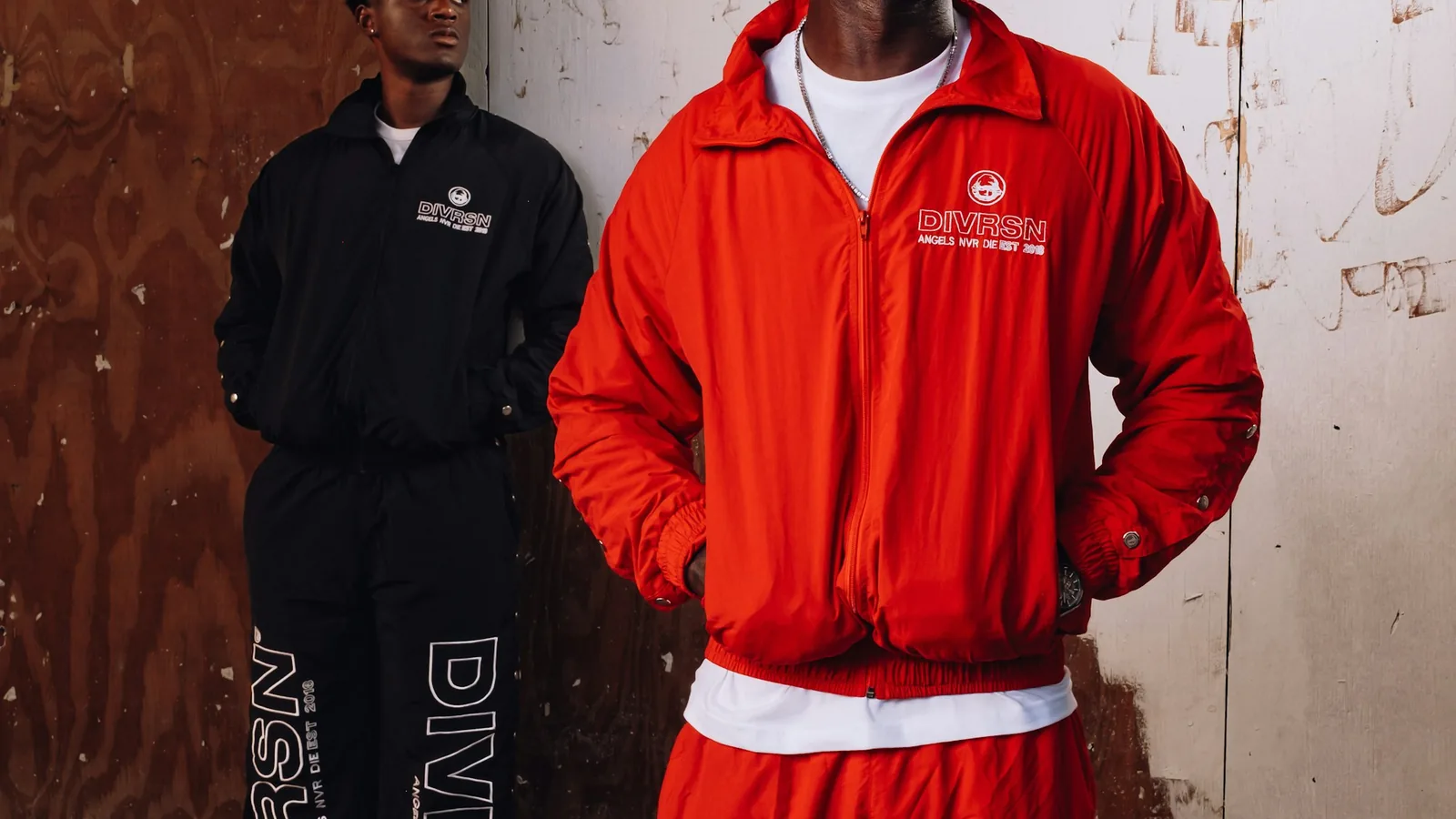
Compare tracksuit suppliers through set-level fabric, fit, color, decoration, quality, packing, schedule, and production evidence.
Tracksuit sourcing is a coordination problem: jacket and pant must match in color, material, trim, fit language, branding, and delivery. A neutral manufacturer comparison should therefore examine how a supplier manages a set, not how prominently it appears in a list. The ten checkpoints below focus on collection consistency and production evidence.
1-2. Define the tracksuit system and end use
State whether the set is for warm-up, travel, team presentation, streetwear, training, school, or lifestyle use. Define jacket and pant silhouettes, layering, climate, size range, quantities, colors, decoration, and whether pieces will also be sold separately. Supply coordinated front and back drawings.
Choose a material direction based on use: tricot, interlock, jersey, fleece, woven shell, stretch woven, mesh-lined construction, or another verified option. Record weight, structure, stretch, recovery, drape, opacity, color, shrinkage, pilling, snagging, and care. "Poly tracksuit" is not a usable specification.
| Checkpoint | Evidence | Set-specific risk |
|---|---|---|
| 3. Color control | Same-lot plan, shade standard, trim approvals | Jacket and pant appear mismatched |
| 4. Fit system | Coordinated blocks, size set, layering and movement test | Top and bottom serve different wearer proportions |
| 5. Components | Zipper, rib, elastic, cord, mesh and pocket map | Trims differ between pieces or lots |
| 6. Decoration | Placement map across both garments and sizes | Logos do not align as a collection |
| 7. Sample | Complete set in nominated material and color | Only one piece receives full approval |
| 8. Quality | Pairing, measurement, shade and assortment checks | Correct pieces are packed in wrong sets |
| 9. Schedule | Shared material and decoration milestones | One component delays the entire set |
| 10. Quote | Separate and set pricing with all inclusions | Unclear cost for split sales or replacements |
3-4. Control color matching and coordinated fit
Color should be approved across shell, rib, lining, mesh, zipper tape, elastic, cord, thread, print, embroidery, labels, and packaging. Even a nominal black can vary by fiber and finish. Ask how the factory manages dye lots and keeps set pieces together through cutting, decoration, inspection, and packing.
Jacket and pant should share a defined fit language: slim, regular, relaxed, oversized, or performance-led translated into measurements. Test the jacket over its intended underlayer and the pant through sitting, lunging, and running where relevant. Review waist stability, rise, knee, cuff, shoulder, sleeve, and zipper operation across representative sizes.
5-6. Review components and decoration as one range
Create a bill of materials for both garments. Zipper gauge and puller, rib structure, elastic width, drawcord, eyelets, pocketing, mesh, binding, labels, and thread should have named references. Confirm whether components are stock, custom, or subject to separate minimums.
Map every print, embroidery, applique, piping, stripe, or panel intersection. Decoration may cross seams or need mirrored placement. Sublimated panels require pattern-aware artwork and shade review; embroidery needs backing and can stiffen light material. Approve actual scale and position on more than one size.
7-8. Approve a complete set and quality plan
Do not approve jacket and pant from unrelated sample rounds. Review the complete set in the proposed material, color, trims, and decoration. Wash it together, then compare shade, shrinkage, twisting, pilling, seam appearance, elastic, zipper, and artwork. If pieces can be sold separately, confirm each still carries complete labeling.
Quality reports should check individual garments and pairing: size, color, shade lot, logo version, zipper or cord color, label, and packed assortment. Define whether sets are polybagged together, separately but paired, or packed by style. Barcode logic must match that decision.
9. Verify schedule and actual production
Ask where knitting or fabric sourcing, dyeing, cutting, sewing, printing, embroidery, finishing, and packing occur. Subcontracting can be workable when responsibility and quality gates are clear. Verify the legal business, actual production address, recent relevant capability, and willingness to support independent inspection.
Build the schedule around shared dependencies: bulk material, lab dip or color approval, trims, full set sample, artwork strike-offs, cutting, decoration, sewing, set inspection, and packing. A delay to one garment affects the sellable set.
10. Normalize quotes and select by evidence
Compare material, jacket and pant construction, individual and set price, development, setup, color and style minimums, labels, packing, testing, inspection, freight, payment, lead time, and change terms. Score candidates on set coordination, material control, fit, decoration, quality, schedule, communication, and commercial clarity.
Prove the set with a coordinated pilot
Approve a set-level specification as well as individual technical packs. It should identify the shared fabric and lot, color standard, artwork version, trim family, jacket-to-pant size pairing, packing logic, and allowed substitutions. If tops and bottoms use different weights or structures, document the reason and the acceptable visual relationship.
Wear-test the jacket and pant together. Check reach, sitting, running or training movement, waistband security, rise, knee recovery, cuff and hem behavior, pocket access, zipper interaction, ventilation, and whether the silhouette still works as a set. Repeat the intended wash cycle and compare the two pieces for shade, shrinkage, twist, pilling, hand, rib or elastic recovery, and artwork aging.
A controlled production run should track how many complete sellable sets remain after inspection, not only the pass rate for each garment. Record orphan tops or bottoms, size and shade mismatches, rework, packing errors, and replacement rules. Retain a sealed matched set, material lot references, final artwork, measurement reports, and packing sample for repeat orders.
Before a reorder, confirm whether the fabric mill, dye lot, rib, elastic, zipper, cord, thread, decoration process, patterns, and production sites remain unchanged. If one element changes, identify which approvals or tests must be repeated and whether old and new pieces may be sold together. This change record protects set matching and prevents a seemingly minor substitution from producing visibly different tops and bottoms.
Relevant next steps include custom tracksuit development, sportswear manufacturing, printing options, embroidery, and quality control.
Supplier capabilities, ownership, minimums, locations, and commercial terms change. Treat any comparison as a starting point and verify current details directly before making a purchasing decision.